cryogenic sealing materials
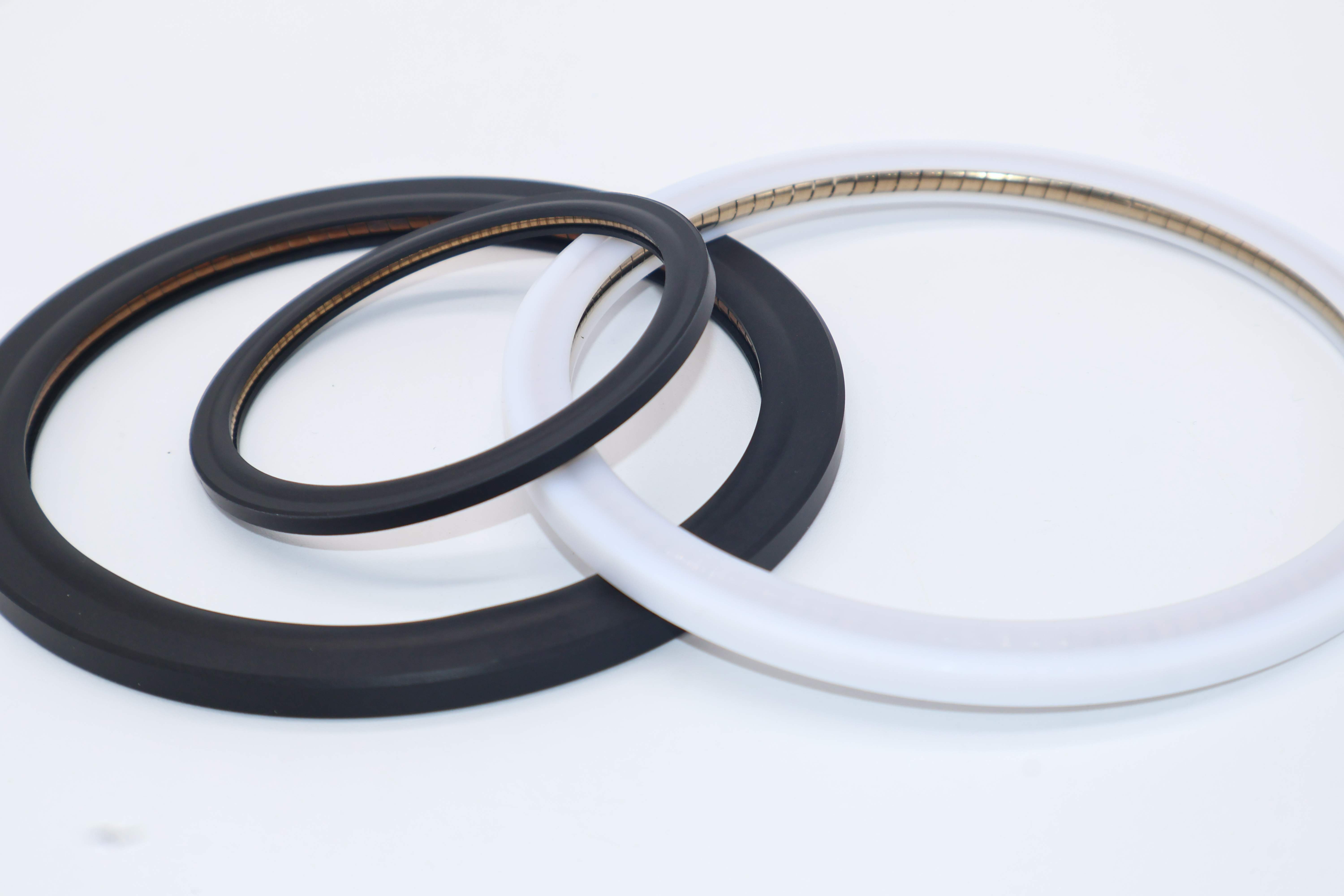
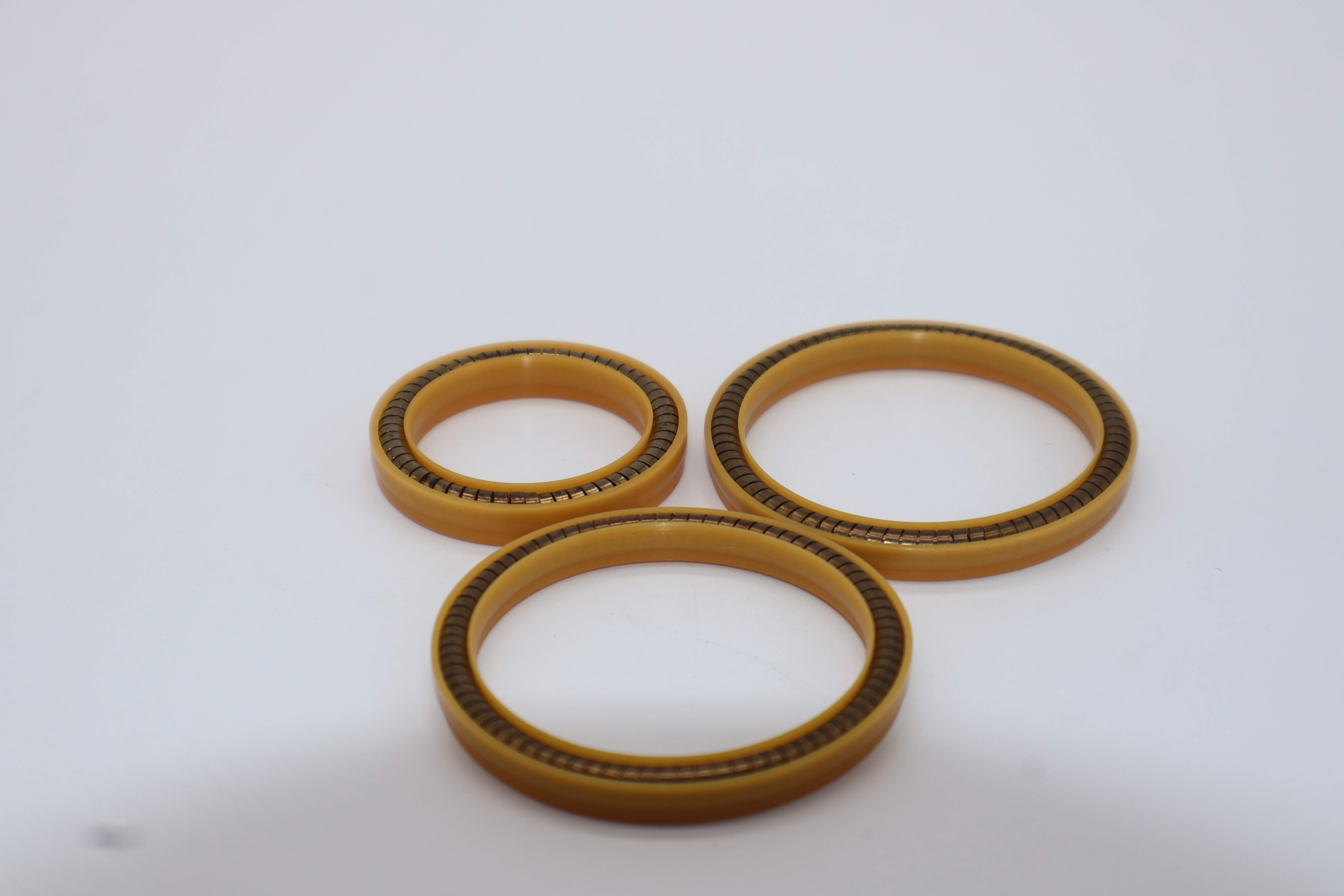
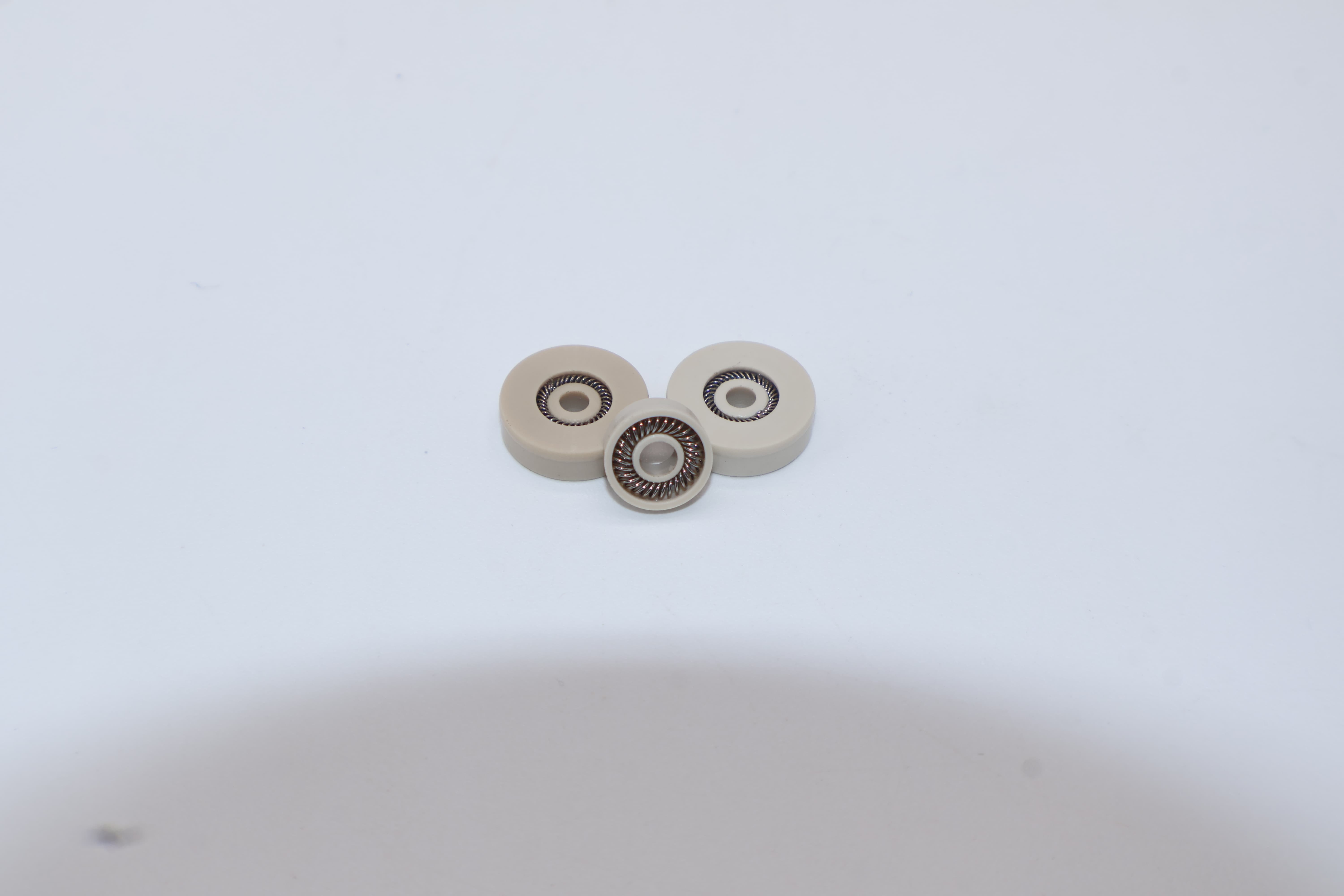
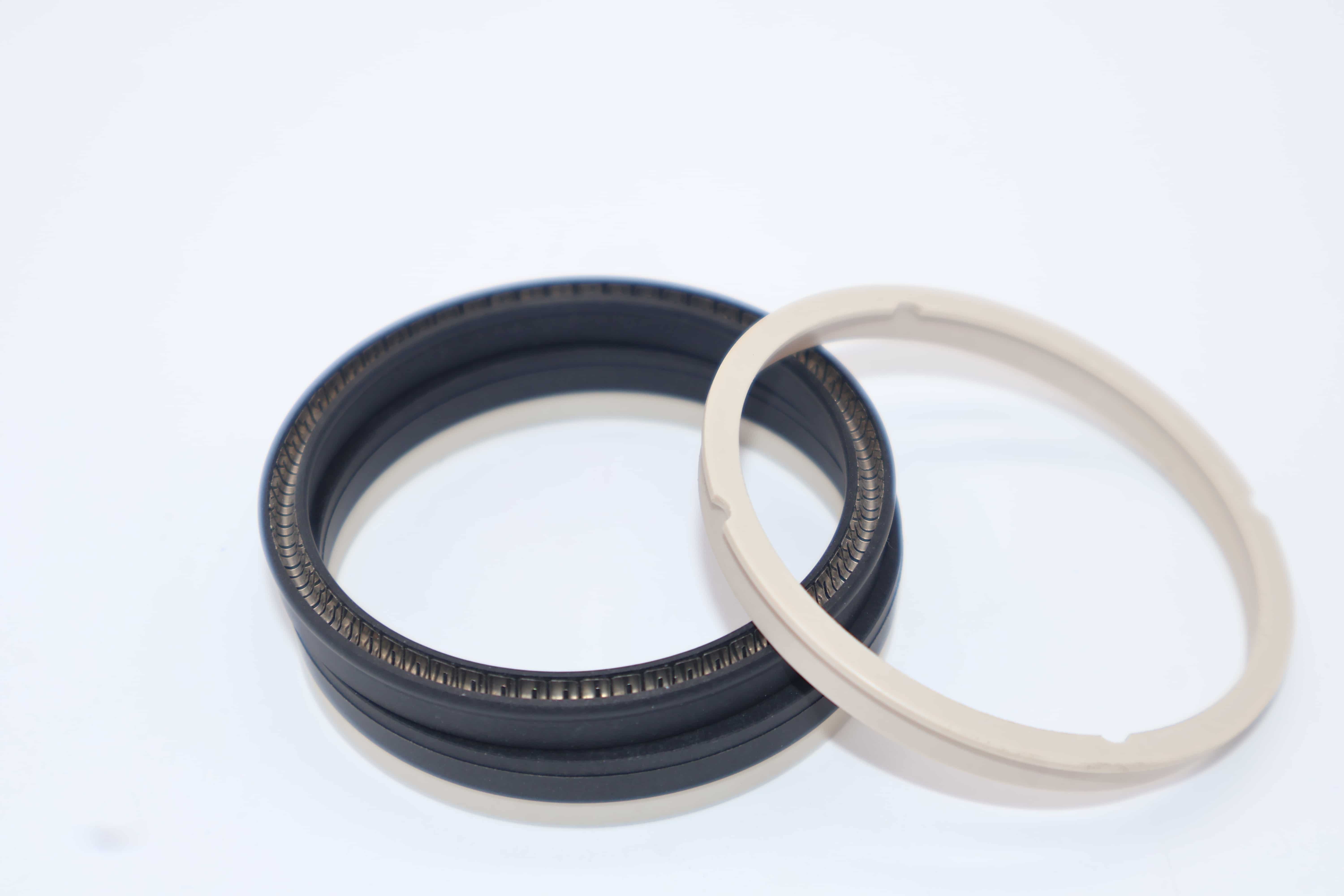
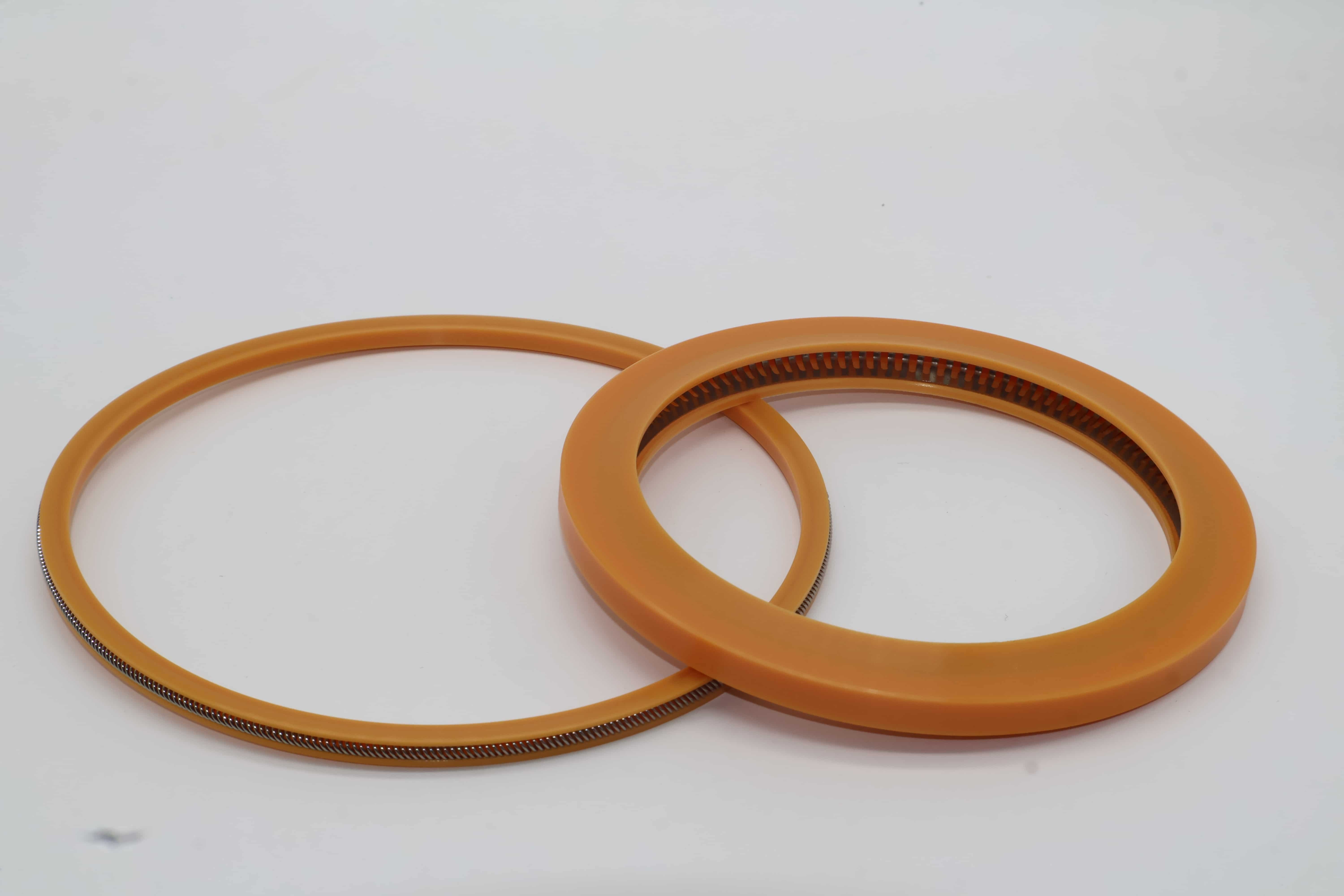
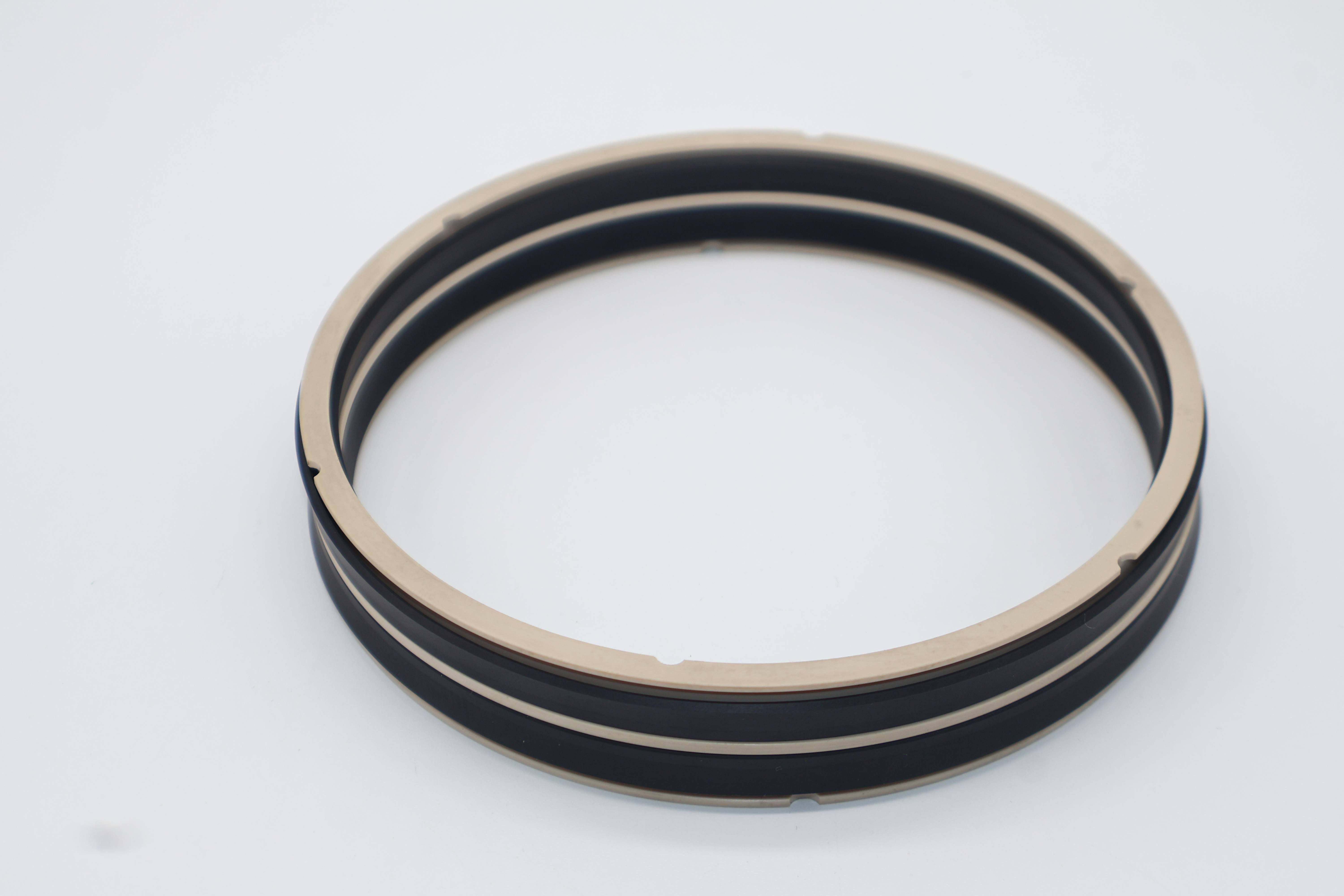
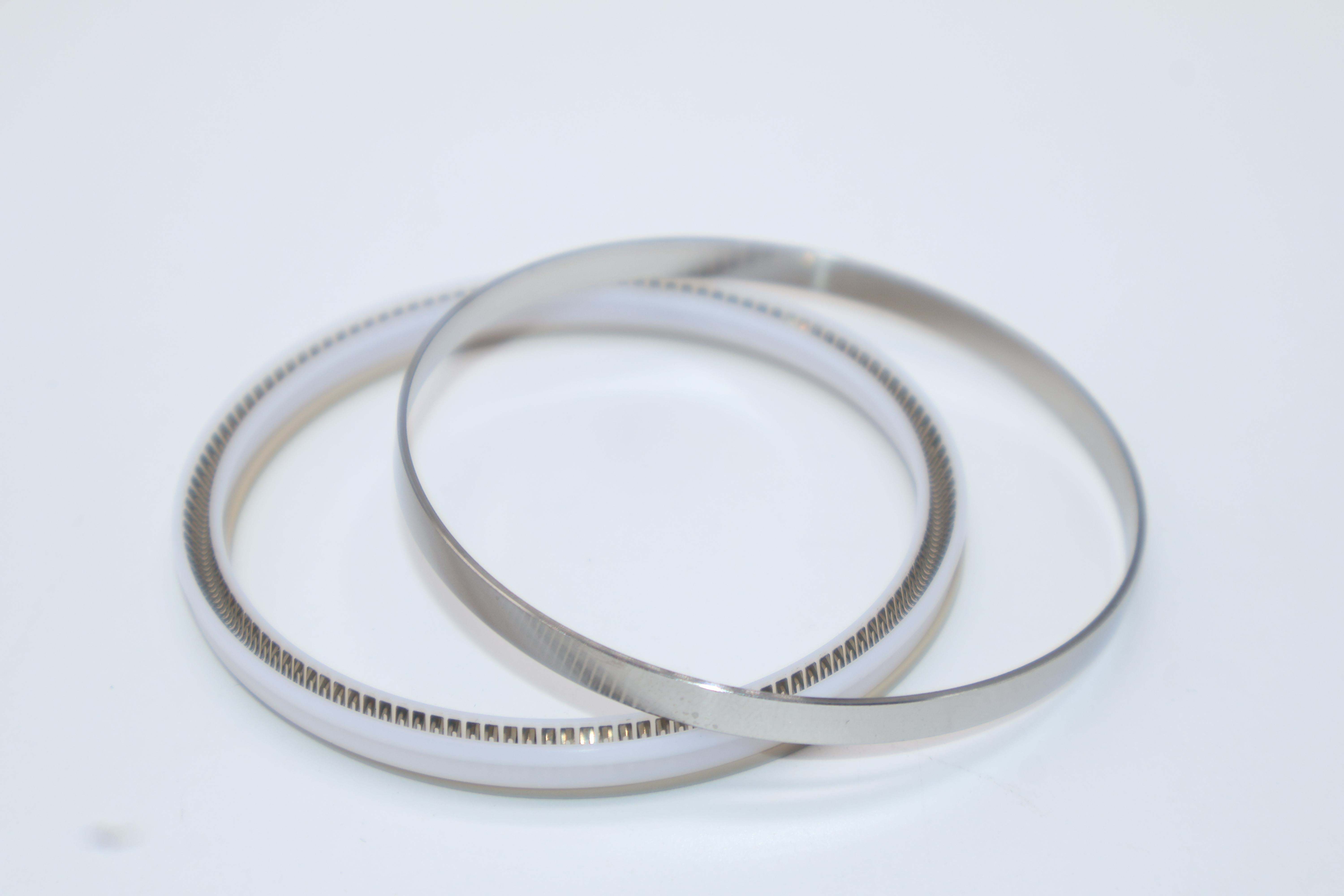
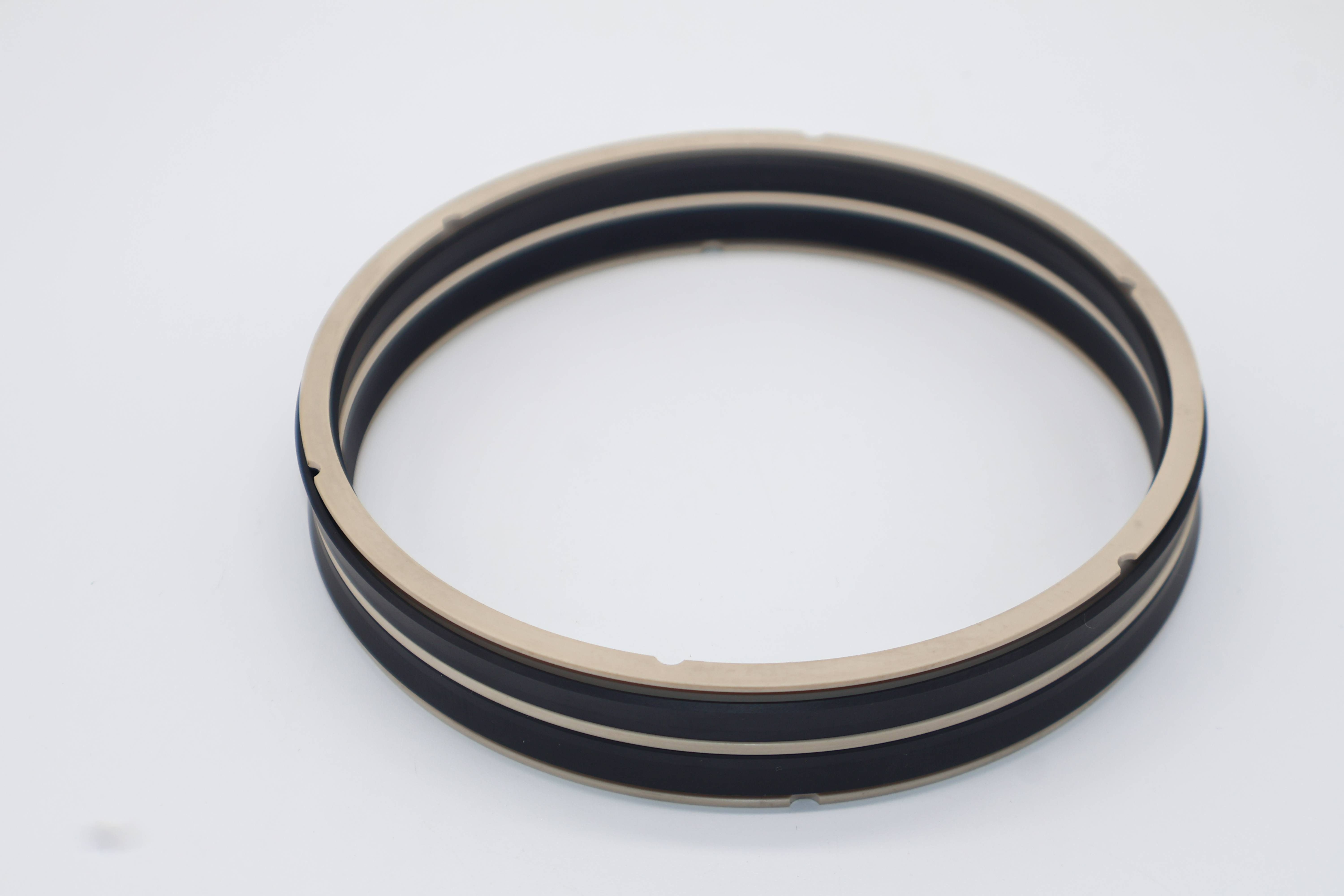
Cryogenic sealing materials are specialized substances engineered to maintain integrity and prevent leakage in extremely low-temperature environments where conventional seals fail. These cryogenic sealing materials are designed to perform reliably in conditions ranging from minus 196 degrees Celsius to even lower temperatures, making them essential for industries dependent on liquefied gases and advanced thermal systems.
The primary function of cryogenic sealing materials is to create airtight and liquid-tight barriers that remain flexible and durable despite extreme temperature fluctuations. Unlike standard sealing compounds that become brittle or crack in frigid conditions, cryogenic sealing materials maintain their elasticity and sealing properties through innovative formulations combining specialized polymers, elastomers, and composite compounds.
Technologically, these cryogenic sealing materials incorporate advanced material science featuring low-temperature elastomers that resist thermal contraction and expansion cycles. They utilize reinforced structures that prevent degradation from thermal shock, while maintaining chemical resistance to liquefied oxygen, nitrogen, hydrogen, and helium. The materials undergo rigorous testing to ensure they meet stringent aerospace, industrial, and research standards.
Applications for cryogenic sealing materials span multiple sectors including aerospace fuel systems, liquefied natural gas equipment, medical cryogenic devices, industrial refrigeration systems, and scientific research apparatus. These cryogenic sealing materials protect critical connections in rocket engines, cryogenic storage tanks, laboratory equipment, and specialized industrial machinery. Their reliability directly impacts operational safety, system efficiency, and prevention of costly leaks in high-value applications where performance cannot be compromised.

 EN
EN