PTFE Spring Seal Solutions

All Categories

ptfe spring seal

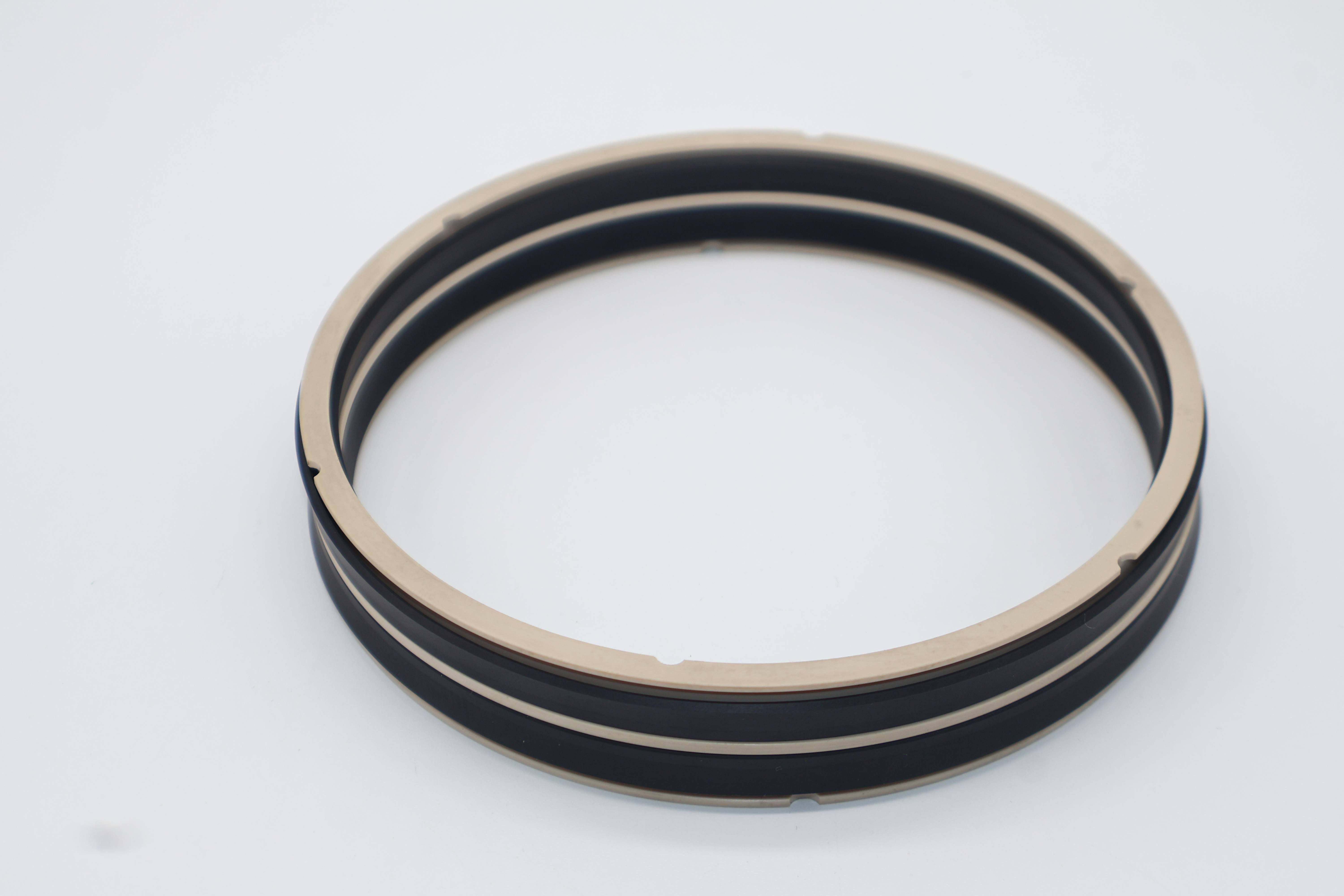
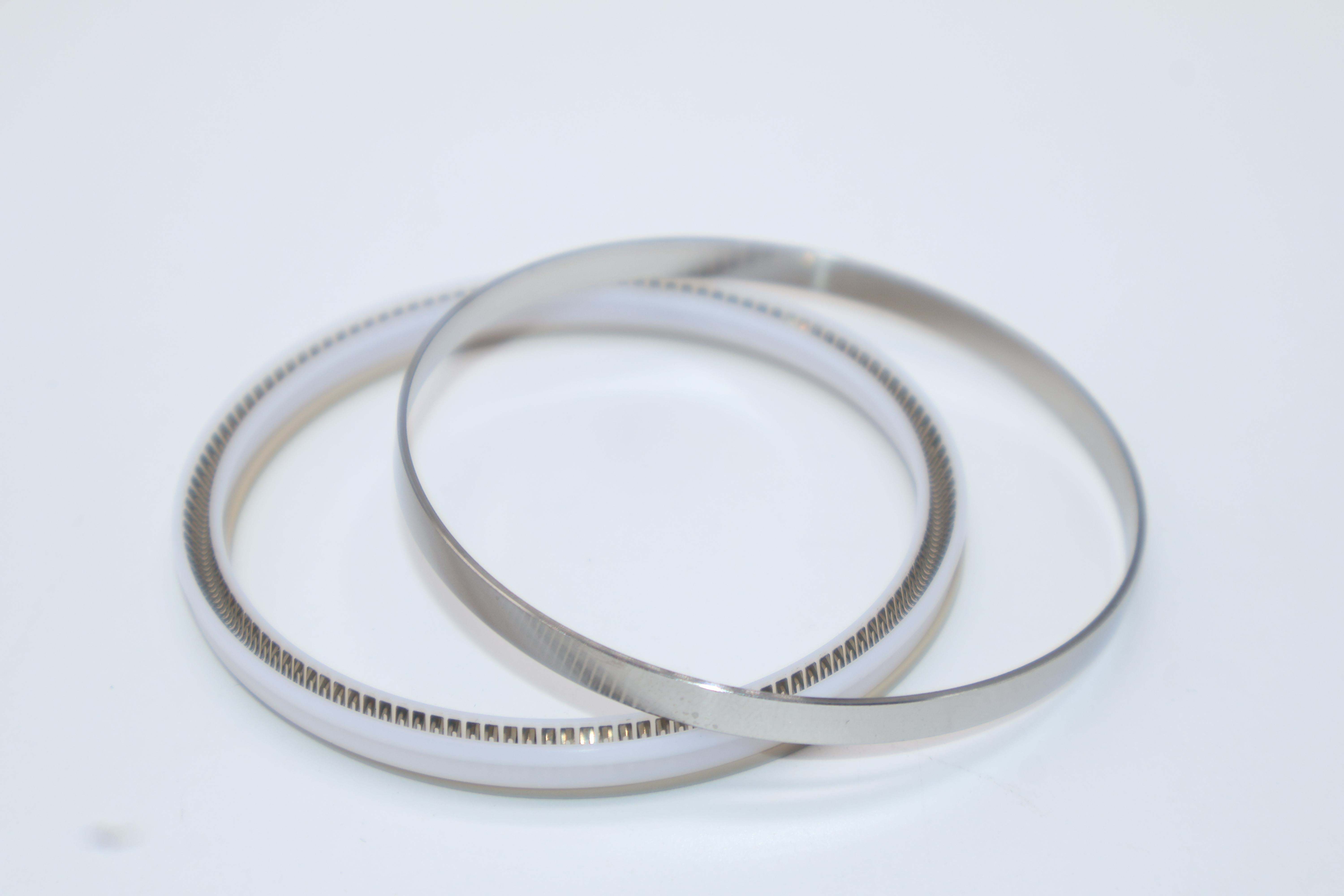
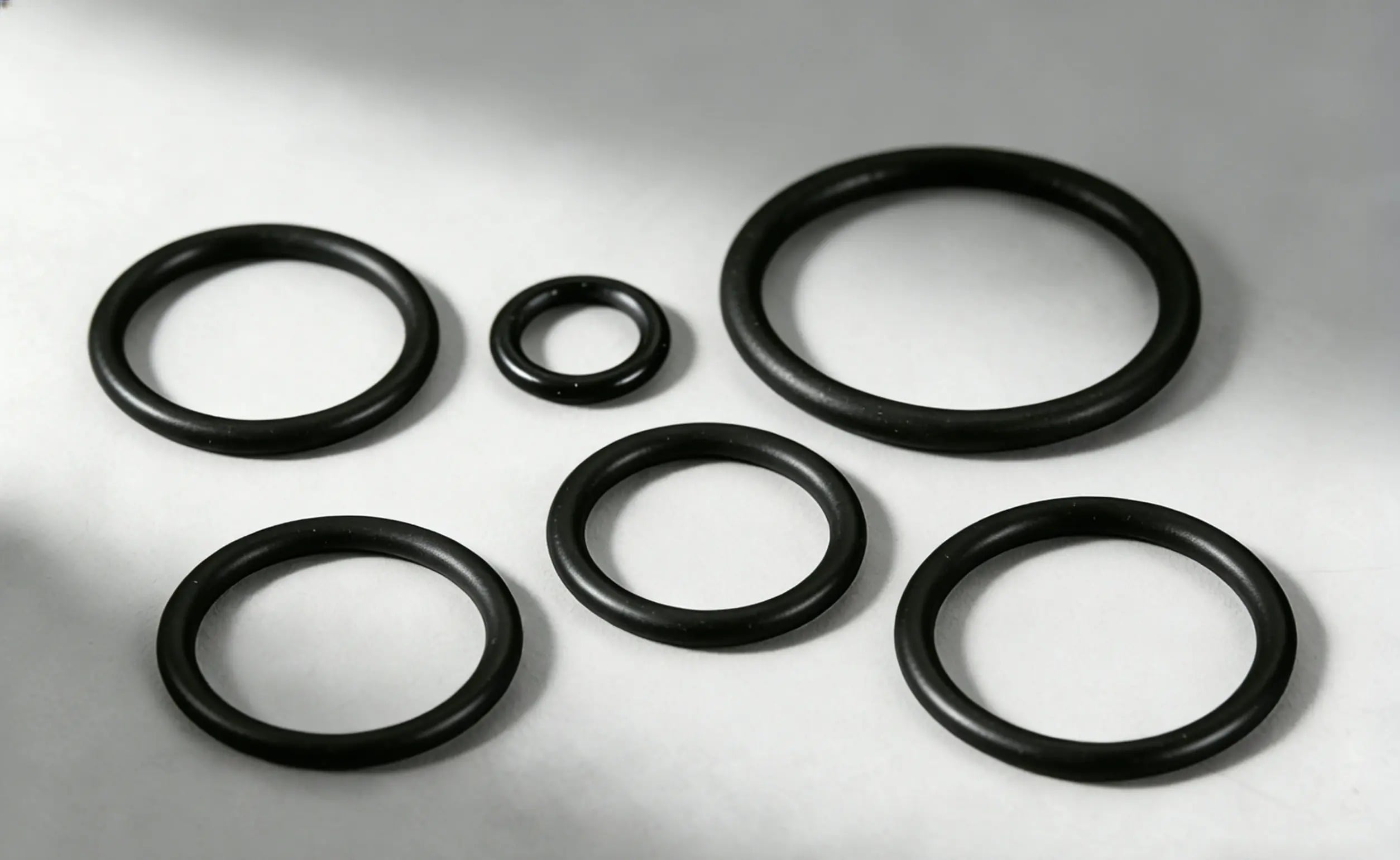
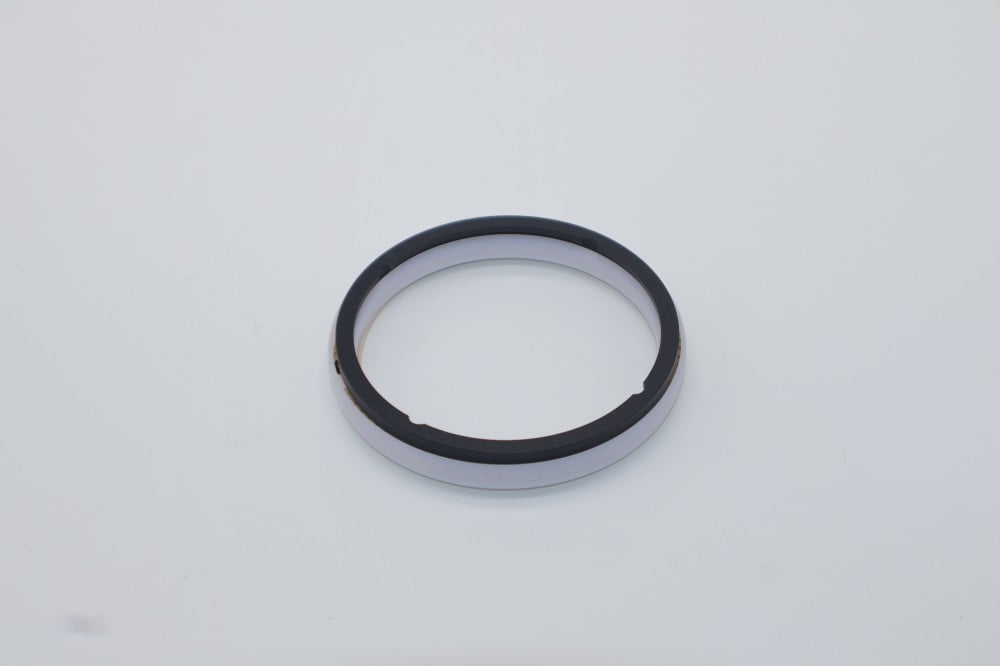
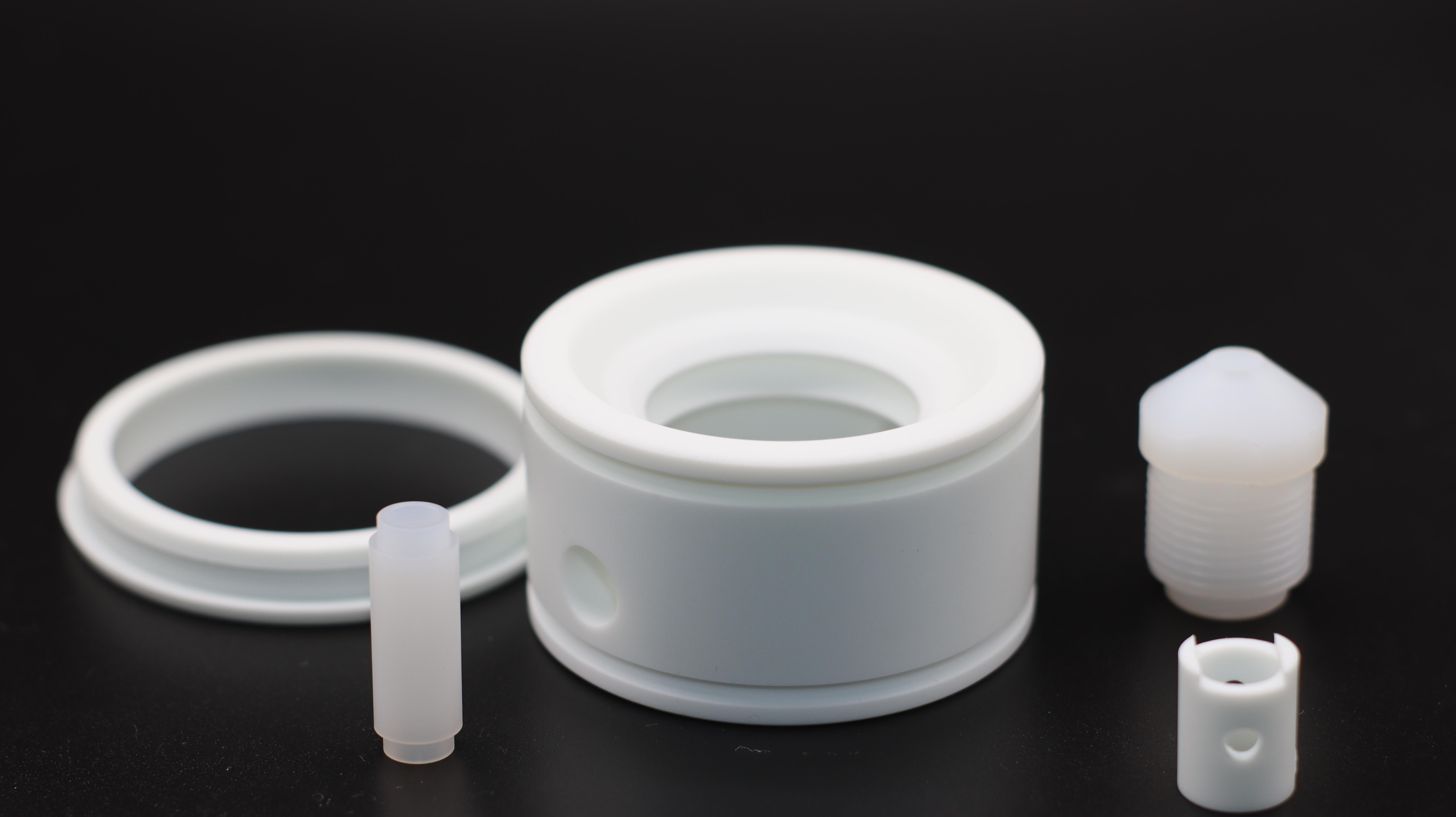
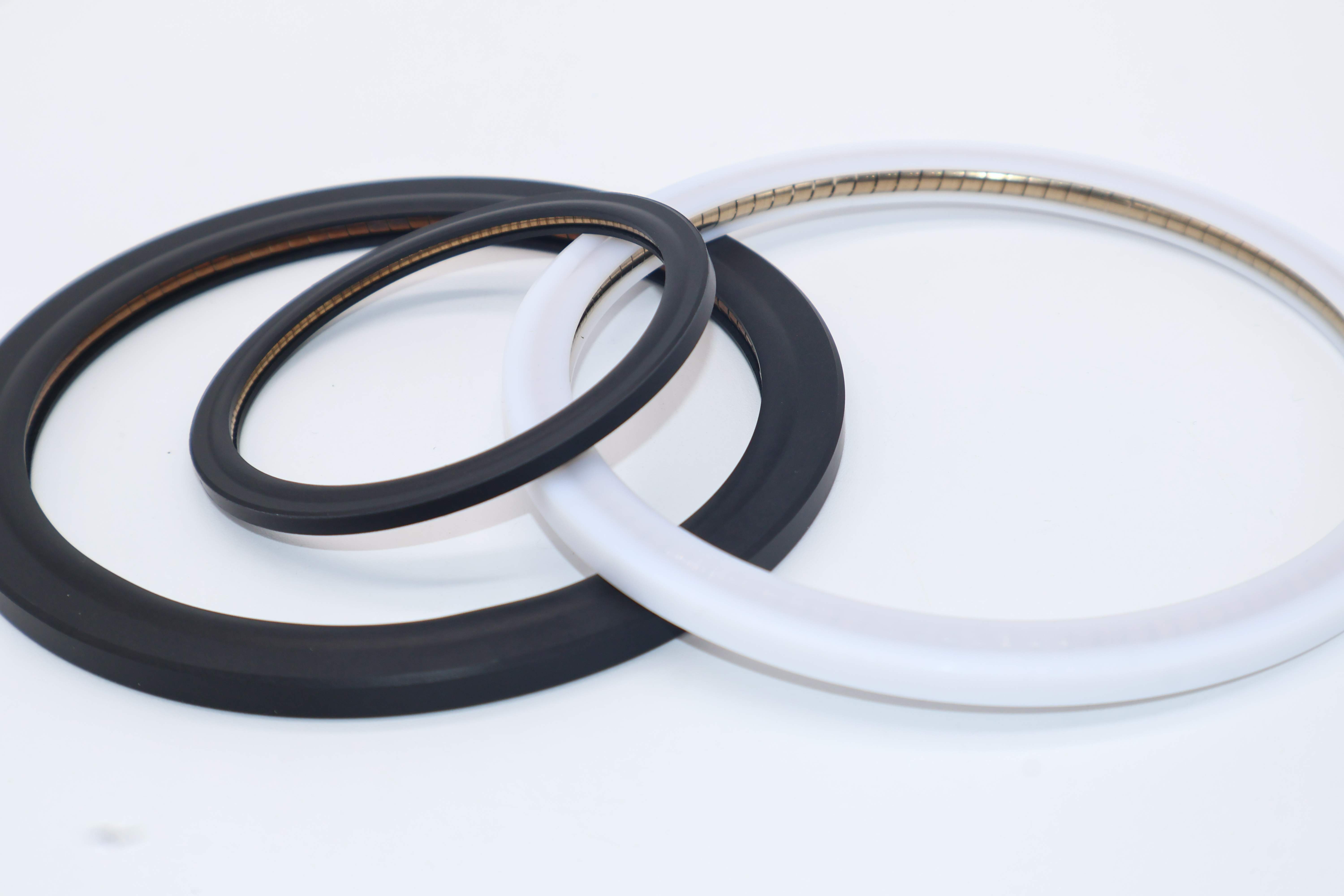
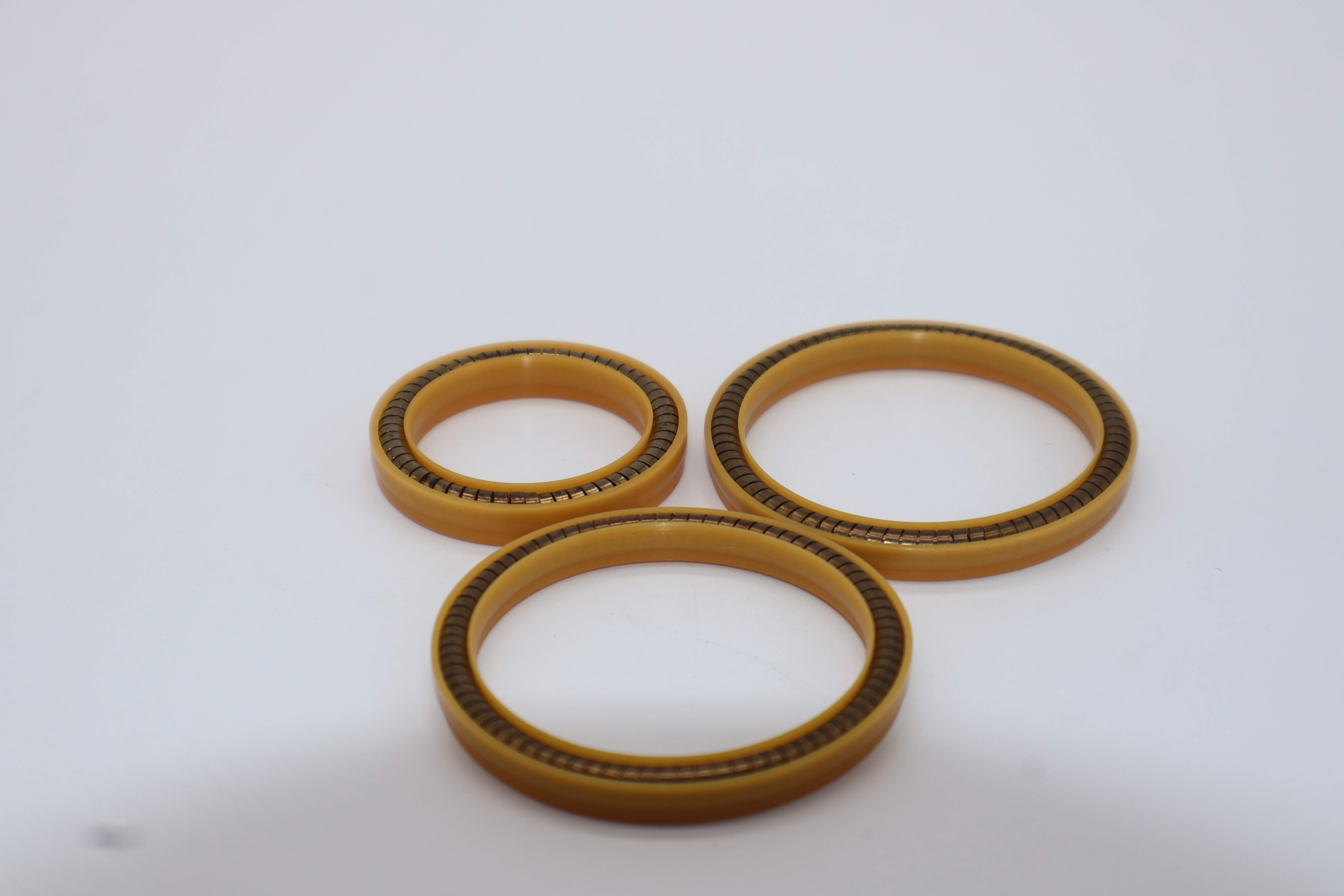
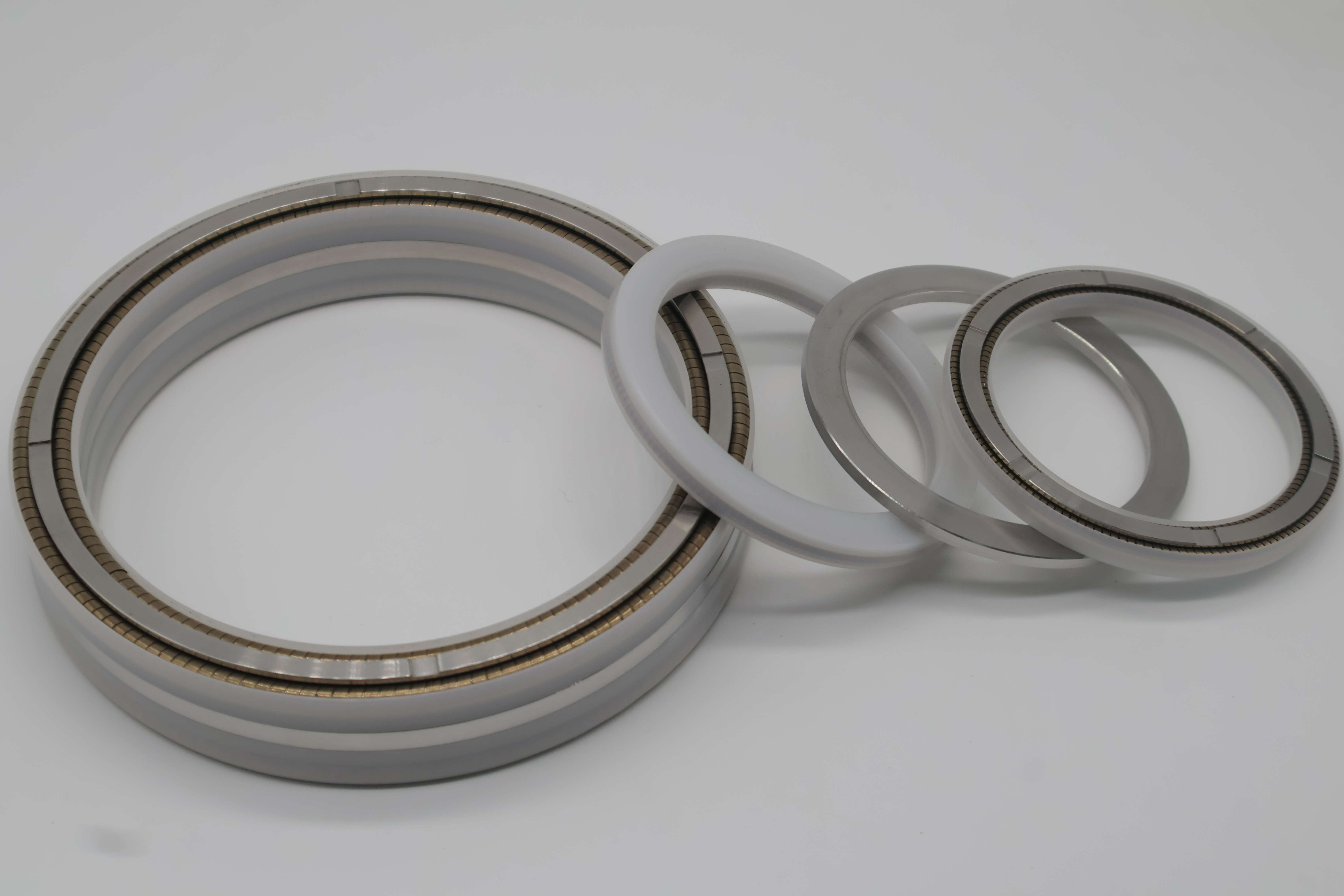
The PTFE spring seal represents a critical advancement in industrial sealing technology, combining polytetrafluoroethylene materials with precision spring mechanisms to deliver superior performance across demanding applications. A PTFE spring seal functions as a dynamic barrier between rotating or reciprocating components, preventing fluid leakage while maintaining operational efficiency in high-pressure environments. The technological features of a PTFE spring seal include a specialized PTFE backing ring that withstands extreme temperatures ranging from -200°C to 260°C, ensuring reliability in both cryogenic and thermal applications. The embedded spring mechanism maintains consistent contact pressure regardless of wear patterns, which distinguishes this PTFE spring seal from conventional static seals. The low friction coefficient of PTFE reduces energy consumption and heat generation during operation. A PTFE spring seal serves essential functions in chemical processing, pharmaceutical manufacturing, food production, and aerospace industries. The seal accommodates radial and axial movements while preventing contamination ingress. Industries choose the PTFE spring seal for applications requiring extended service intervals and minimal maintenance downtime. The design allows for easy installation and removal, reducing operational disruption. The PTFE spring seal excels in environments where chemical resistance matters most, including exposure to aggressive solvents, corrosive fluids, and high-velocity media. Its compatibility with diverse mounting configurations makes the PTFE spring seal adaptable to existing equipment without extensive modifications.

New Product Recommendations

The PTFE spring seal delivers substantial operational value for businesses seeking reliable sealing solutions in demanding industrial environments. This innovative product provides customers with extended equipment lifespan, reducing replacement frequency and associated maintenance costs. When you implement a PTFE spring seal, you gain immediate benefits through decreased downtime, as the seal's robust design minimizes unexpected failures that plague conventional sealing systems. Operationally, the PTFE spring seal performs consistently across temperature fluctuations, maintaining seal integrity whether equipment operates in arctic conditions or extreme heat scenarios. The self-adjusting spring mechanism compensates for wear over extended periods, ensuring sustained performance without manual intervention. This automatic compensation means your production processes continue uninterrupted, protecting revenue streams and maintaining customer satisfaction. The PTFE spring seal application suitability spans industries from pharmaceutical to petrochemical sectors, where stringent purity standards demand absolute reliability. Your investment in a PTFE spring seal translates to reduced contamination risks, directly supporting product quality objectives and regulatory compliance requirements. The seal's chemical resistance eliminates compatibility concerns with aggressive substances, expanding operational flexibility. Decision-useful context shows that choosing a PTFE spring seal over traditional alternatives reduces total cost of ownership significantly. Lower friction characteristics decrease energy consumption, generating measurable utility savings. The PTFE spring seal requires minimal maintenance compared to conventional seals, freeing technical resources for strategic initiatives. Installation simplicity means experienced technicians complete changeovers rapidly, minimizing production interruptions. Your organization benefits from improved operational predictability, enhanced safety profiles, and demonstrated durability across thousands of installed applications worldwide.

Practical Tips

How to Select Sealing Solutions for API 6A Valve Applications

03

Jun

How to Select Sealing Solutions for API 6A Valve Applications

Selecting the right API 6A valve sealing solution is one of the most consequential decisions in upstream oil and gas equipment design. API 6A governs wellhead and Christmas tree equipment, where pressure ratings reach 20,000 psi and service fluids in...
View More
Sealing Challenges in Wellhead and Christmas Tree Equipment

05

Jun

Sealing Challenges in Wellhead and Christmas Tree Equipment

Wellhead sealing is one of the most demanding engineering challenges in oil and gas production. Every wellhead assembly must maintain pressure integrity under extreme temperatures, aggressive media, and continuous mechanical stress. When wellhead sea...
View More
Metal Seal Material Selection for Corrosive High Pressure Industrial Environments

01

Jun

Metal Seal Material Selection for Corrosive High Pressure Industrial Environments

Selecting the right metal seal material is one of the most consequential decisions in industrial system design. When operating conditions combine high pressure with aggressive chemical exposure, the stakes become even higher. A poorly chosen metal se...
View More
Why Low Friction Is Critical for PTFE Rotary Lip Seal Performance in Dynamic Systems

15

Jun

Why Low Friction Is Critical for PTFE Rotary Lip Seal Performance in Dynamic Systems

In any dynamic system where shafts rotate continuously, the performance of a PTFE rotary lip seal depends directly on its ability to maintain low friction at the sealing interface. A PTFE rotary lip seal that generates excessive friction will degrade...
View More

Get a Free Quote

Our representative will contact you soon.
Email
Name
Company Name
Attachment
Please upload at least an attachment
Up to 3 files, each no larger than 30MB. Supported formats: jpg, jpeg, png, pdf, doc, docx, xls, xlsx, csv, txt, stp, step, igs, x_t, dxf, prt, sldprt, sat, rar, zip.
Message
0/1000

ptfe spring seal

Superior Chemical Resistance and Temperature Stability

Superior Chemical Resistance and Temperature Stability

The PTFE spring seal excels in extreme chemical and thermal environments where standard seals fail. The PTFE material provides unmatched resistance to aggressive solvents, corrosive acids, and hydrocarbon derivatives commonly found in industrial processing. This chemical inertness means the PTFE spring seal maintains structural integrity even when exposed to substances that degrade conventional elastomers rapidly. Temperature performance distinguishes the PTFE spring seal further, operating reliably from cryogenic conditions to extreme heat without material degradation. The PTFE spring seal achieves this exceptional range because fluoropolymer chemistry resists thermal breakdown that compromises competitor products. Industries handling hazardous chemicals, high-temperature steam systems, and cryogenic liquids specify the PTFE spring seal specifically for this critical advantage. The extended operating range of each PTFE spring seal eliminates the need for multiple seal types across diverse applications, simplifying inventory management and reducing procurement complexity significantly.
Self-Adjusting Design Extends Service Life

Self-Adjusting Design Extends Service Life

The innovative spring mechanism embedded within the PTFE spring seal automatically adjusts to compensate for wear throughout its operational lifetime. Unlike static seals that lose effectiveness as wearing surfaces degrade, the PTFE spring seal maintains consistent sealing pressure through intelligent spring mechanics that respond to dimensional changes. This self-adjusting characteristic of the PTFE spring seal dramatically extends service intervals, often doubling or tripling seal lifespan compared to traditional alternatives. Equipment operators experience fewer unplanned maintenance events because the PTFE spring seal continuously adapts to wear patterns without manual intervention. The spring component ensures contact pressure remains optimal even after months of continuous operation under demanding conditions. Choosing a PTFE spring seal means investing in longevity, as extended service life directly translates to reduced replacement costs and decreased production downtime. This self-maintaining capability makes the PTFE spring seal particularly valuable for remote applications where frequent maintenance proves impractical or economically prohibitive.
Low Friction Performance Reduces Energy Consumption

Low Friction Performance Reduces Energy Consumption

The inherent low-friction characteristics of PTFE material give the PTFE spring seal a decisive advantage in energy efficiency compared to conventional sealing solutions. When equipment incorporates a PTFE spring seal, rotating components experience significantly reduced resistance, requiring less power to maintain operational speeds. This mechanical advantage directly translates to measurable energy savings across production facilities employing multiple sealing points. The PTFE spring seal's smooth surface generates minimal heat during operation, protecting adjacent components from thermal stress that accelerates degradation. Industrial facilities implementing PTFE spring seal technology report consistent utility cost reductions of 8 to 15 percent in affected systems. The low-friction benefit also improves equipment performance by reducing vibration and noise associated with traditional seals. Upgrading to a PTFE spring seal represents a strategic investment in sustainability, as reduced energy consumption decreases operational carbon footprints. Organizations prioritizing both environmental responsibility and cost control find the PTFE spring seal delivers compelling value by improving efficiency without sacrificing reliability or performance standards.

Get a Free Quote

Our representative will contact you soon.
Email
Name
Company Name
Attachment
Please upload at least an attachment
Up to 3 files, each no larger than 30MB. Supported formats: jpg, jpeg, png, pdf, doc, docx, xls, xlsx, csv, txt, stp, step, igs, x_t, dxf, prt, sldprt, sat, rar, zip.
Message
0/1000