PTFE Valve Seat: Reliable Sealing Solutions

All Categories

ptfe valve seat

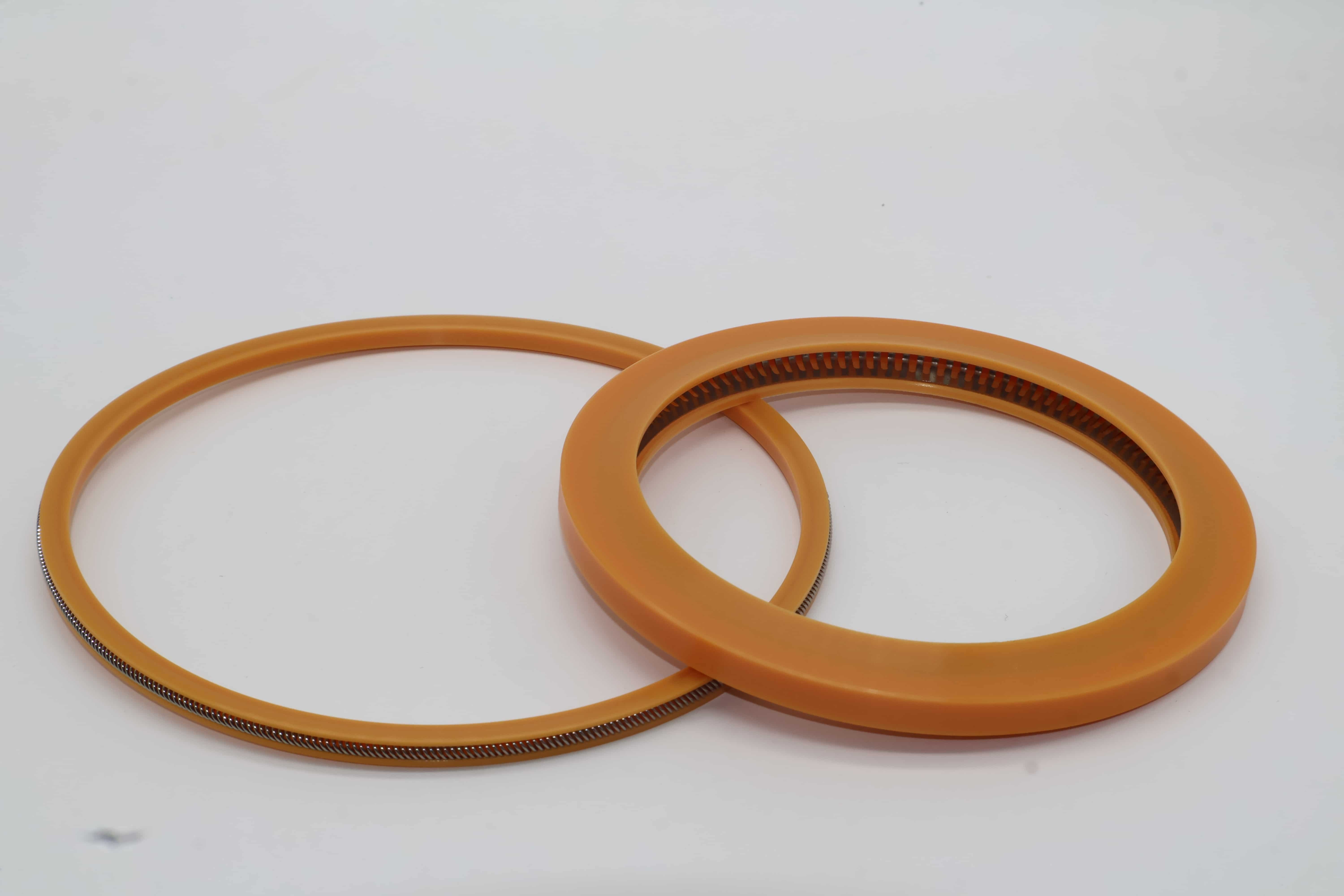
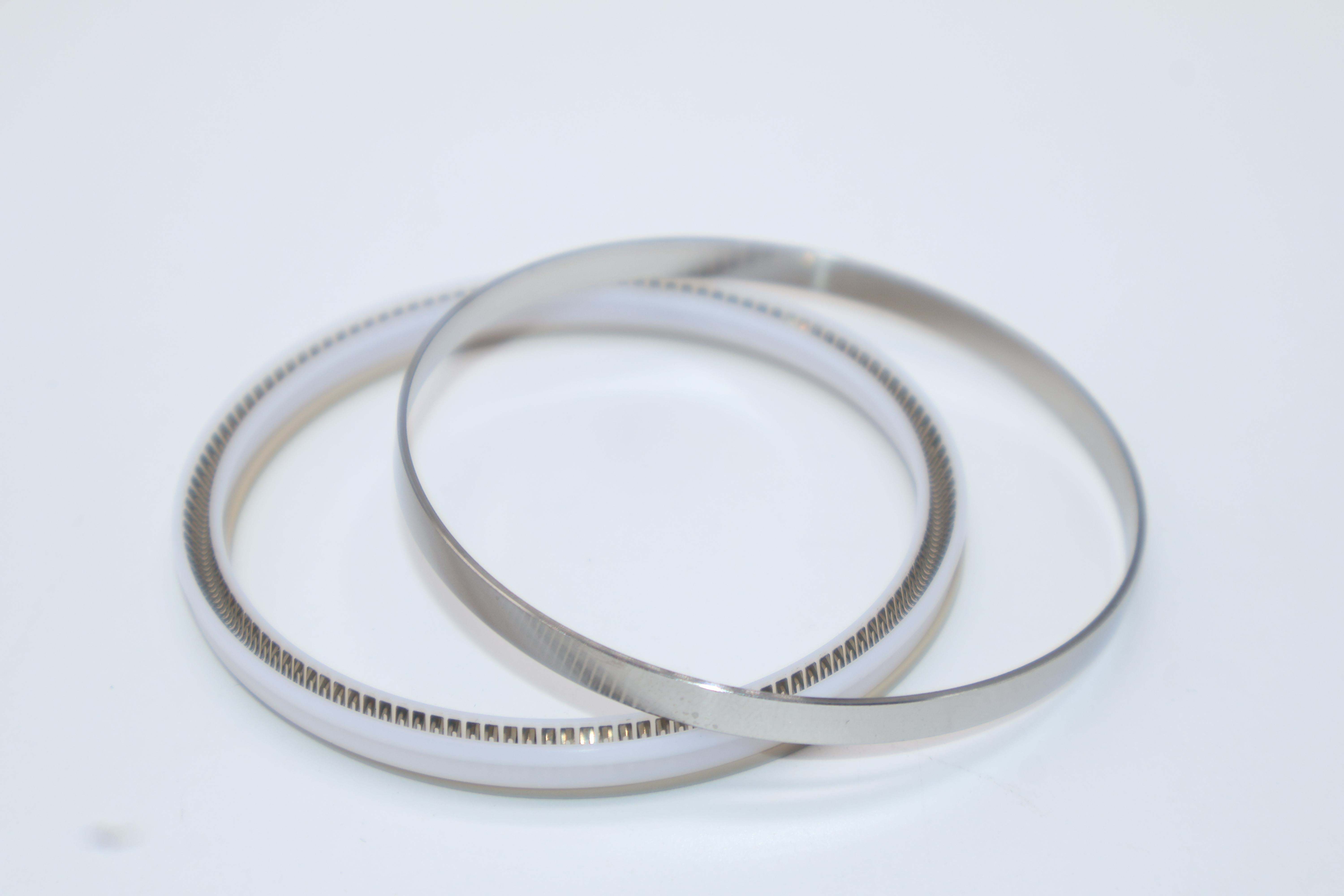
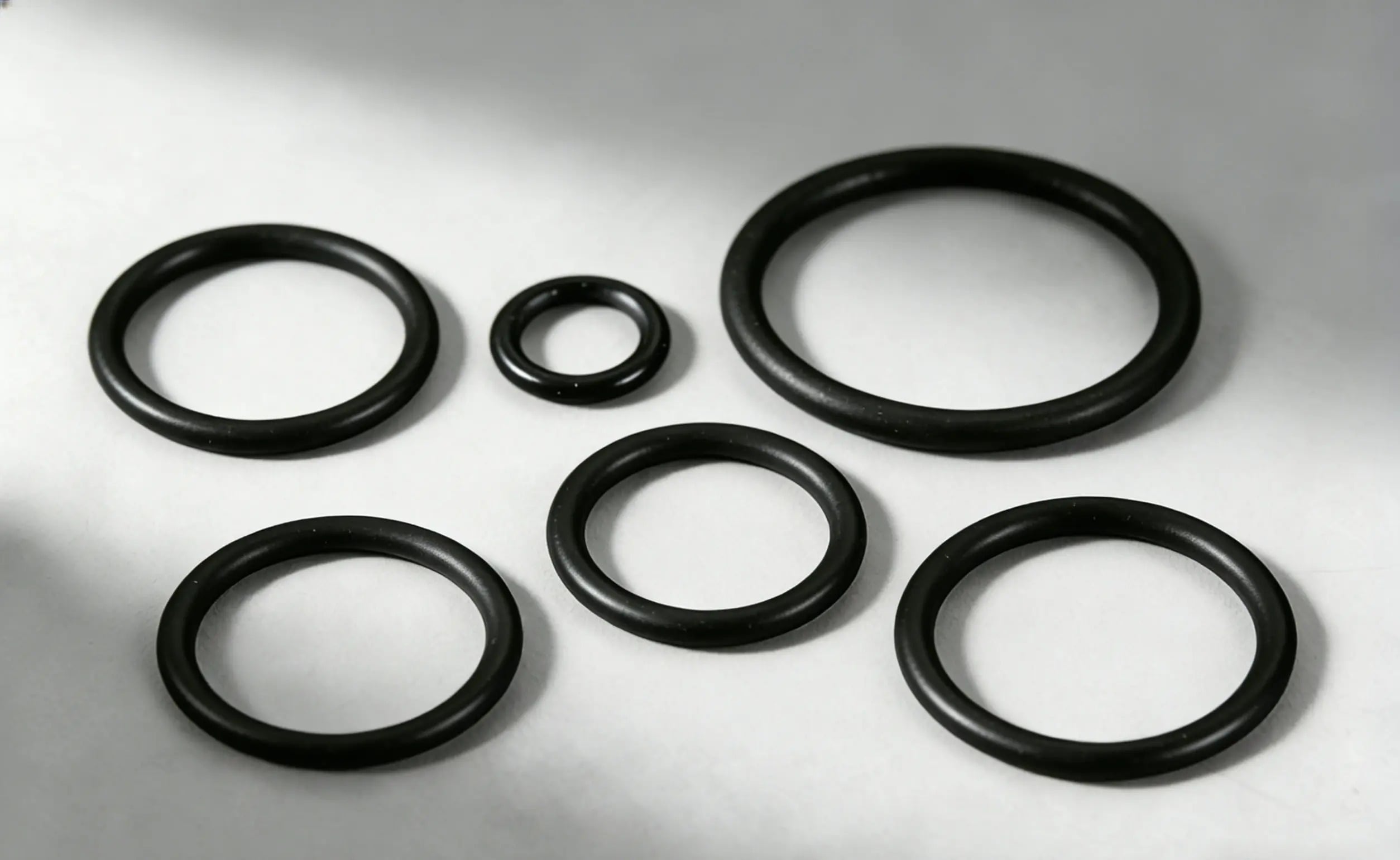
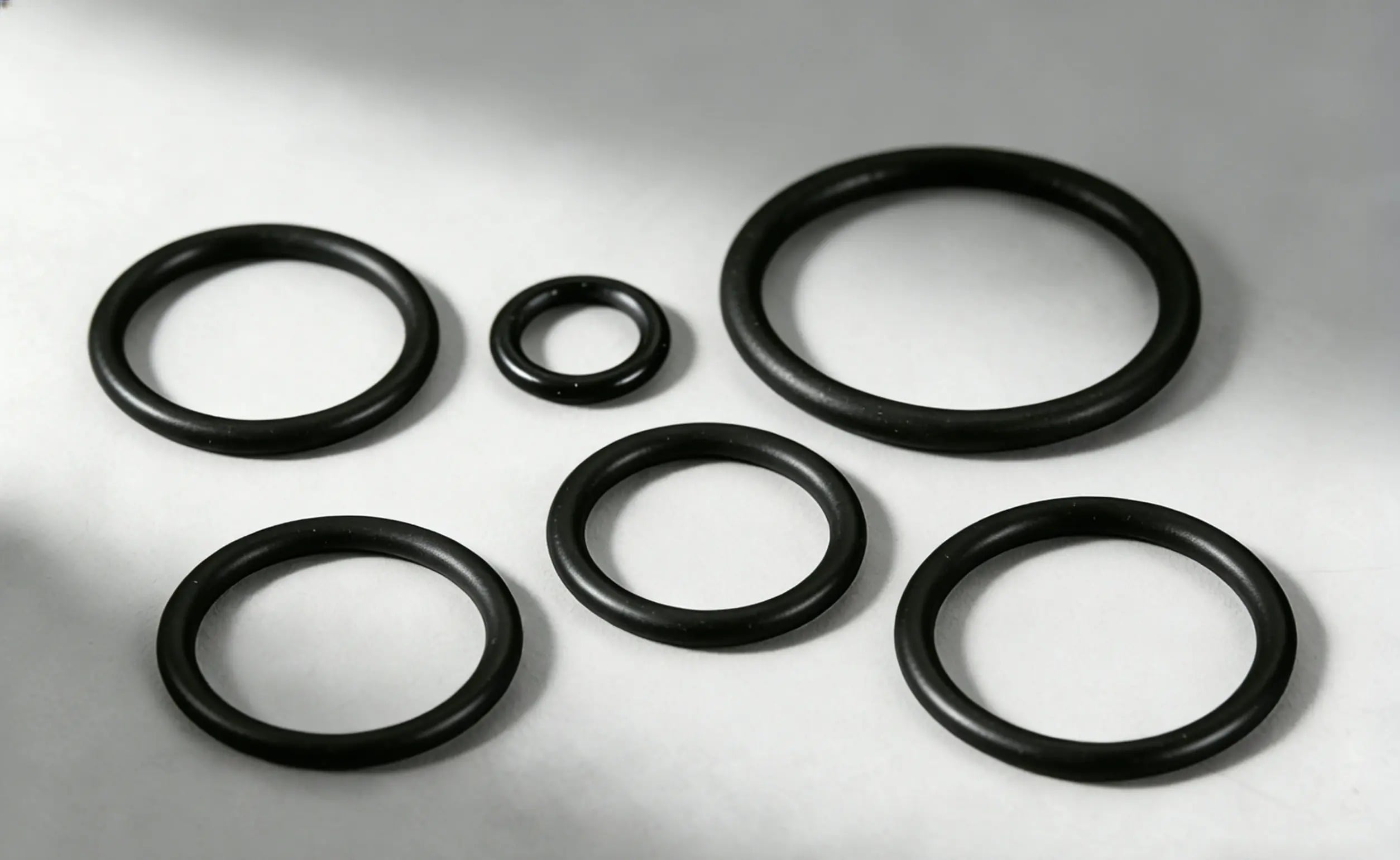
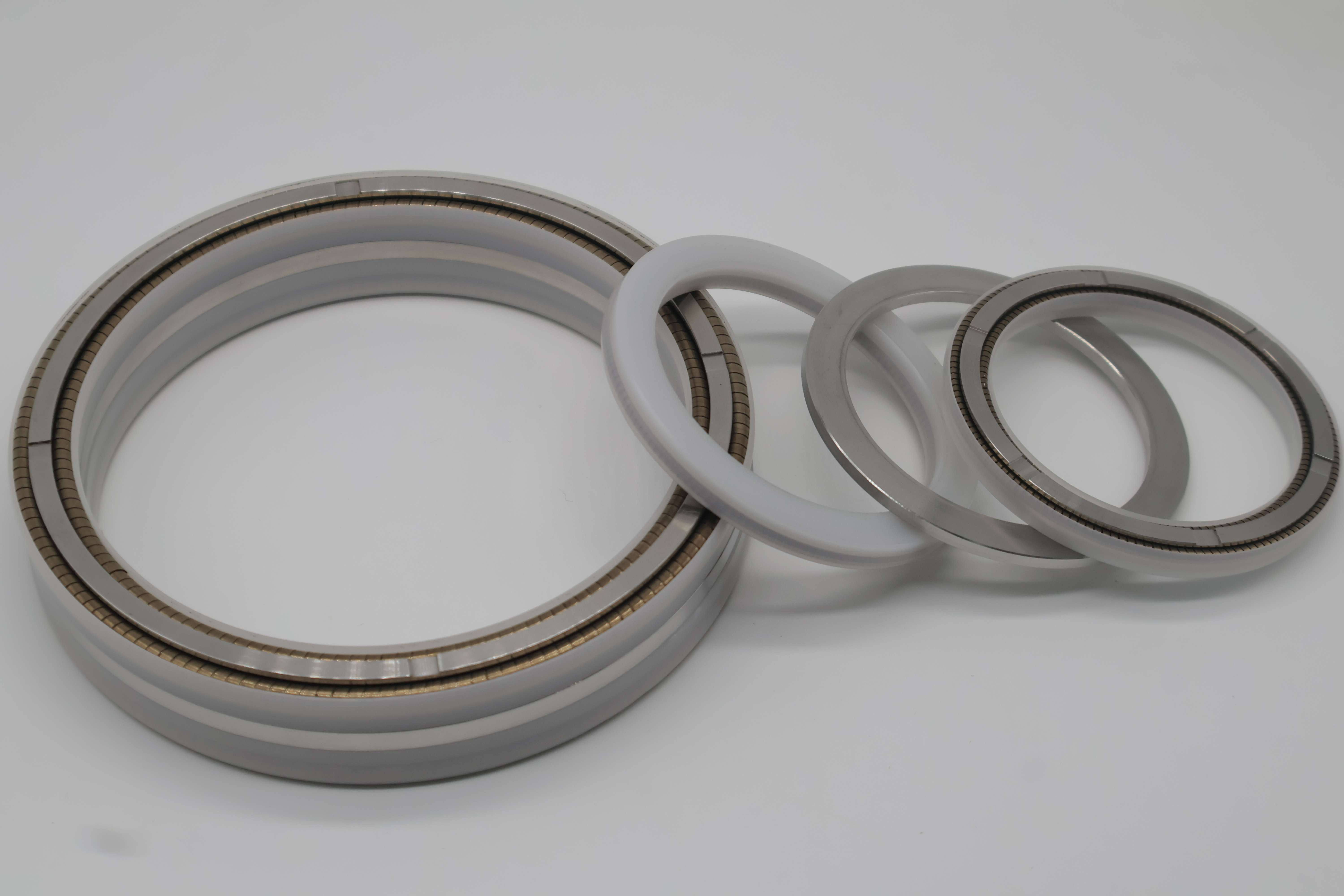
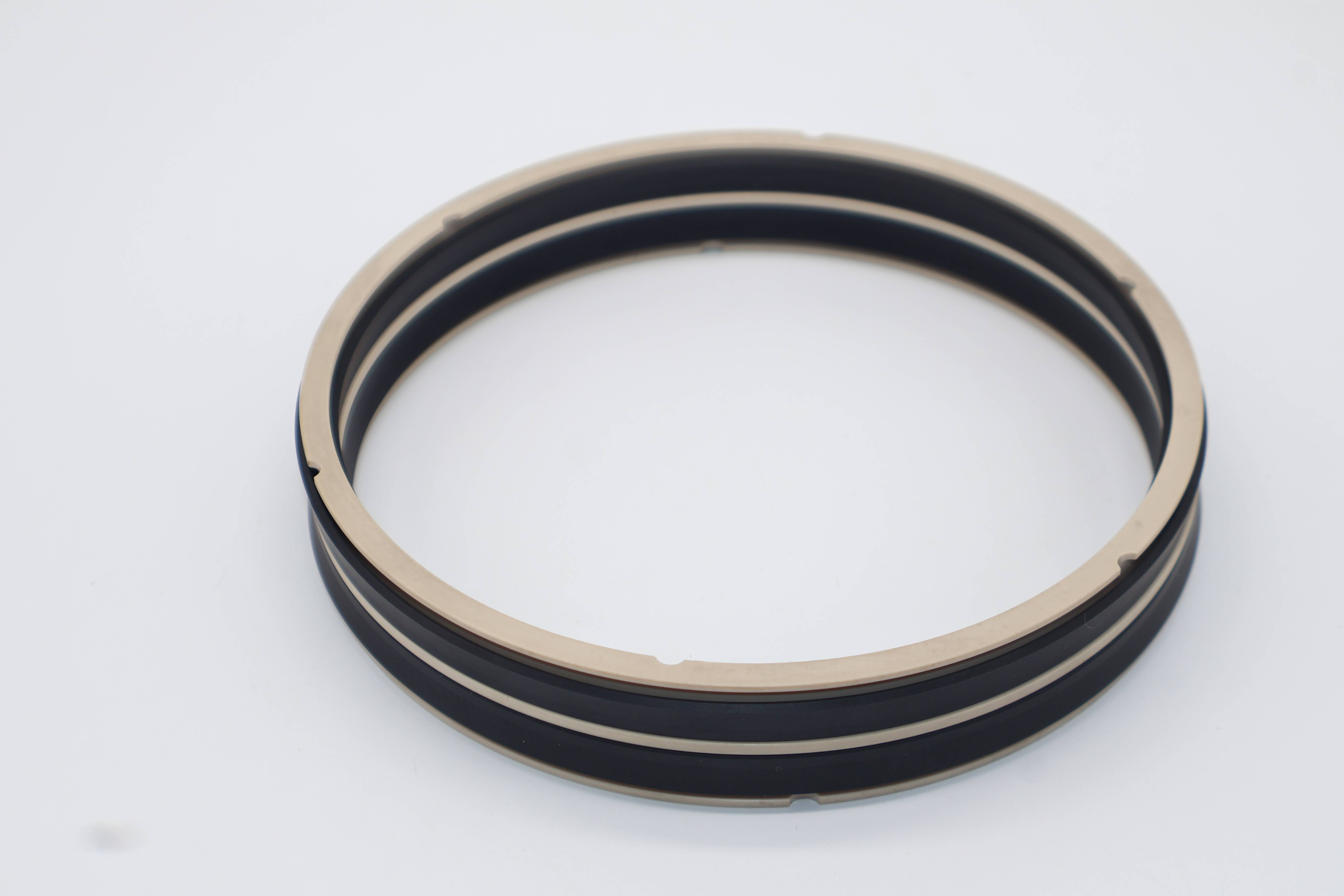
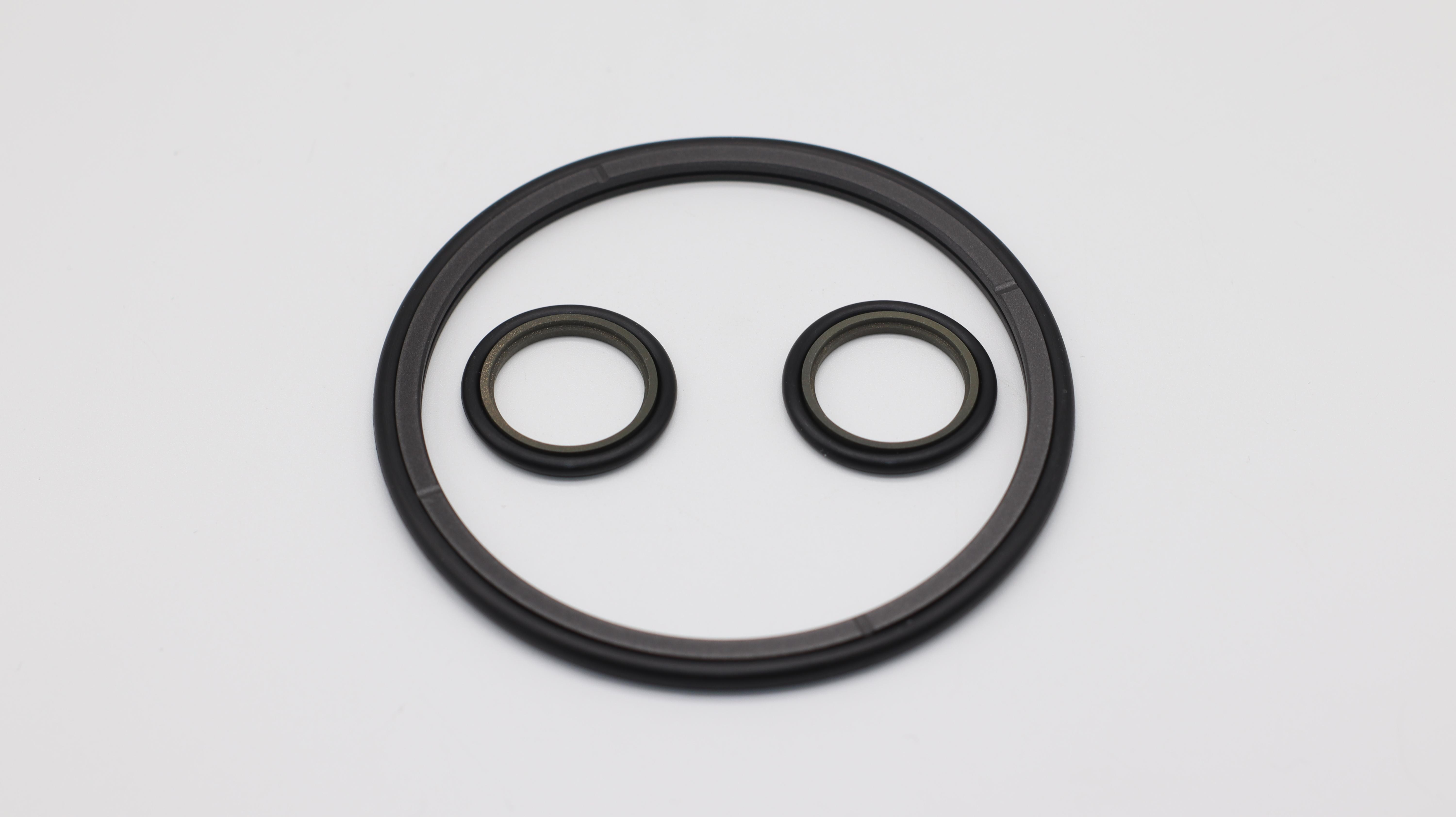
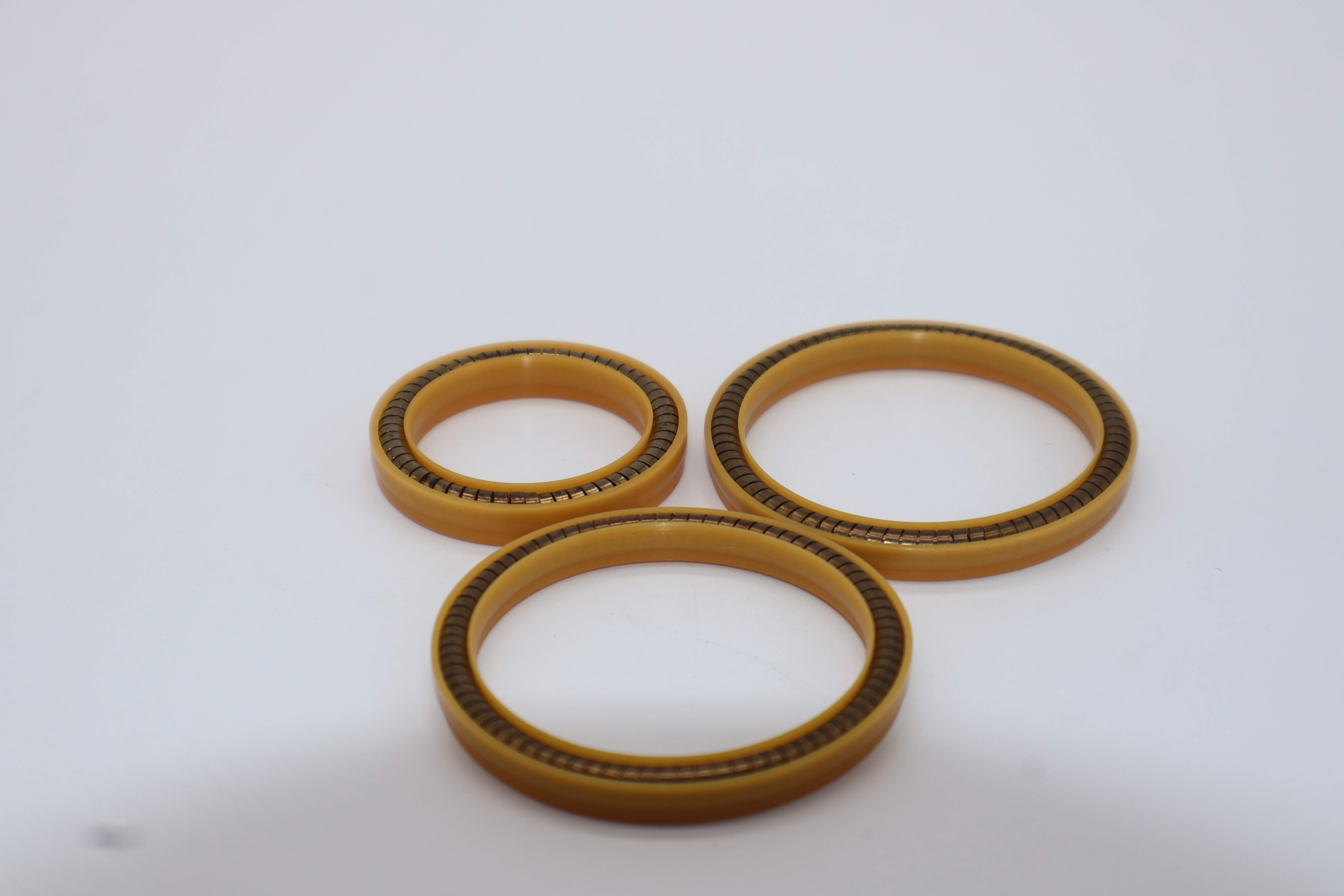
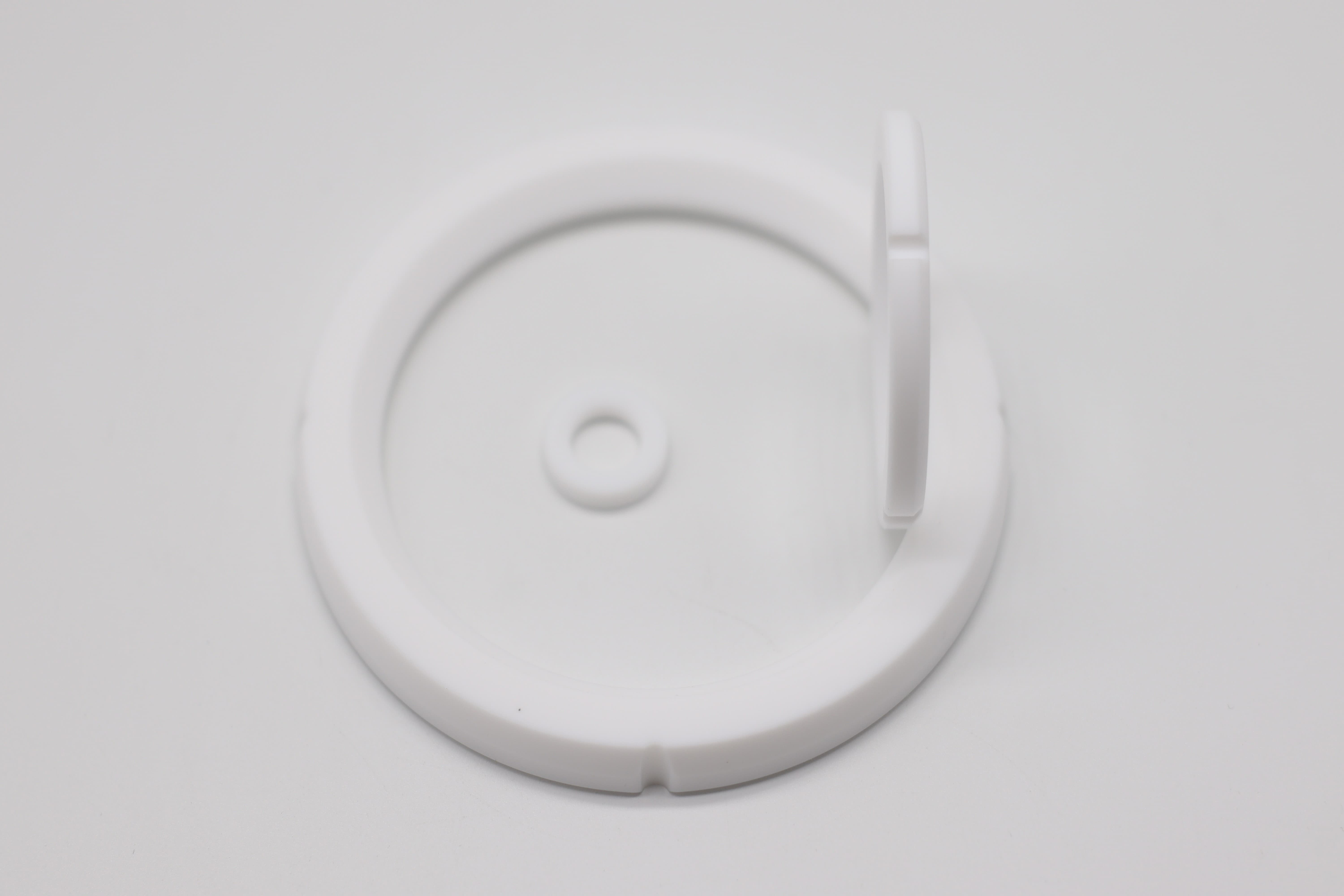
A ptfe valve seat represents a critical component in fluid control systems, designed to provide reliable sealing and flow regulation across diverse industrial applications. The ptfe valve seat functions as the sealing surface where the valve disc makes contact, creating an airtight barrier that prevents unwanted leakage and ensures system integrity. This specialized component utilizes polytetrafluoroethylene material, which offers exceptional chemical resistance and durability in demanding environments. The technological features of a ptfe valve seat include superior thermal stability, outstanding chemical compatibility, and minimal friction characteristics that enhance operational efficiency. The ptfe valve seat accommodates extreme temperature ranges, making it suitable for both cryogenic and high-temperature applications. Its low surface energy prevents fluid adhesion, reducing maintenance requirements and extending service life significantly. Applications for the ptfe valve seat span multiple industries, including chemical processing, pharmaceutical manufacturing, water treatment facilities, and oil and gas operations. The ptfe valve seat excels in corrosive liquid handling, aggressive chemical environments, and applications requiring food-grade components. Industries relying on precision fluid control depend on the ptfe valve seat to maintain consistent performance under challenging conditions. This versatile component supports both on-off control and throttling applications, demonstrating remarkable adaptability. Engineers specify the ptfe valve seat when standard valve seating materials fail to provide adequate chemical resistance or thermal performance, ensuring optimal system reliability and longevity across specialized industrial processes.

New Products

The ptfe valve seat delivers substantial operational and financial benefits that directly impact system performance and maintenance costs. This innovative seating solution dramatically reduces downtime by eliminating frequent seal replacements required with conventional materials, translating into significant cost savings for facility managers and operators. One primary advantage of the ptfe valve seat is its exceptional chemical resistance, protecting systems from corrosion and degradation when handling aggressive fluids. The ptfe valve seat withstands exposure to acids, bases, solvents, and reactive chemicals that would compromise standard valve materials, ensuring reliable long-term operation in harsh chemical environments. This chemical compatibility means you avoid costly system failures and safety hazards associated with incompatible sealing materials. Operational benefits of the ptfe valve seat include improved flow characteristics and reduced friction losses throughout your system. The smooth surface properties of the ptfe valve seat minimize pressure drop, enhancing energy efficiency and reducing pumping requirements. This translates directly to lower operational costs and improved system performance metrics. The ptfe valve seat offers outstanding versatility across temperature ranges, functioning reliably in cryogenic applications down to extremely low temperatures and maintaining integrity at elevated temperatures where other materials degrade. This temperature adaptability expands application possibilities and eliminates the need for specialized equipment in different operating conditions. Maintenance advantages of the ptfe valve seat prove equally compelling for budget-conscious operations. The non-stick properties of the ptfe valve seat prevent fluid buildup and contamination accumulation, simplifying cleaning procedures and reducing maintenance labor requirements. Decision-making managers recognize that selecting the ptfe valve seat reduces total cost of ownership while improving system reliability and operational safety across their industrial processes.

Practical Tips

07

Jun

In demanding industrial environments, the integrity of mechanical systems depends heavily on the quality of sealing solutions deployed across equipment and infrastructure. Whether managing fluid containment, pressure retention, or vibration resistanc...
View More

Why Metal-to-Metal Sealing Is Required in Extreme Pressure Applications

10

Jun

Why Metal-to-Metal Sealing Is Required in Extreme Pressure Applications

In high-pressure industrial environments, the integrity of sealing systems determines operational safety, equipment longevity, and process reliability. When pressures exceed the capabilities of conventional elastomeric seals, metal-to-metal sealing b...
View More
Metal Seal Performance in High Temperature Energy and Power Systems

08

Jun

Metal Seal Performance in High Temperature Energy and Power Systems

In high temperature energy and power systems, component reliability is not optional — it is the foundation of safe and continuous operation. A metal seal is one of the most critical elements in maintaining pressure integrity, preventing leakage, and ...
View More
Why Low Friction Is Critical for PTFE Rotary Lip Seal Performance in Dynamic Systems

15

Jun

Why Low Friction Is Critical for PTFE Rotary Lip Seal Performance in Dynamic Systems

In any dynamic system where shafts rotate continuously, the performance of a PTFE rotary lip seal depends directly on its ability to maintain low friction at the sealing interface. A PTFE rotary lip seal that generates excessive friction will degrade...
View More

Get a Free Quote

Our representative will contact you soon.
Email
Name
Company Name
Attachment
Please upload at least an attachment
Up to 3 files, each no larger than 30MB. Supported formats: jpg, jpeg, png, pdf, doc, docx, xls, xlsx, csv, txt, stp, step, igs, x_t, dxf, prt, sldprt, sat, rar, zip.
Message
0/1000

ptfe valve seat

Superior Chemical Resistance and Compatibility

Superior Chemical Resistance and Compatibility

The ptfe valve seat stands out for its unmatched ability to resist chemical attack from virtually any corrosive substance. This exceptional chemical compatibility of the ptfe valve seat eliminates concerns about material degradation when handling aggressive fluids, solvents, or reactive compounds. Industries processing hazardous chemicals depend on the ptfe valve seat to maintain system integrity and prevent costly leaks that could result in environmental contamination or safety incidents. The ptfe valve seat's resistance extends across the entire chemical spectrum, including strong acids, concentrated bases, organic solvents, and specialized industrial fluids. This broad compatibility eliminates the need to maintain multiple valve types for different chemical applications, streamlining inventory management and reducing procurement complexity. Facilities can confidently deploy the ptfe valve seat across diverse process streams without worrying about material incompatibility issues that plague alternative seating solutions.
Extended Service Life and Reduced Maintenance Requirements

Extended Service Life and Reduced Maintenance Requirements

The ptfe valve seat delivers exceptional durability that substantially extends equipment lifespan compared to conventional seating materials. The non-stick surface properties of the ptfe valve seat prevent fluid adhesion and buildup, eliminating the gradual degradation that forces frequent replacements with standard seals. This durability advantage of the ptfe valve seat directly translates to reduced maintenance costs, fewer service interruptions, and improved operational continuity for your facility. The ptfe valve seat's inherent toughness resists wear even under continuous operation or challenging flow conditions. Maintenance teams appreciate how the ptfe valve seat simplifies cleaning procedures and reduces the labor intensity of routine maintenance tasks. By selecting the ptfe valve seat, facility managers enjoy significantly longer intervals between component replacements, lower spare parts inventory requirements, and enhanced predictability in maintenance scheduling.
Exceptional Temperature Stability and Broad Operating Range

Exceptional Temperature Stability and Broad Operating Range

The ptfe valve seat performs reliably across an extraordinarily wide temperature spectrum, from deeply cryogenic conditions to elevated operational temperatures where standard materials fail. This thermal versatility of the ptfe valve seat eliminates the need for specialized equipment or alternative valve solutions when handling temperature extremes. The ptfe valve seat maintains its sealing integrity and mechanical properties regardless of thermal cycling or exposure to temperature fluctuations common in many industrial processes. This outstanding thermal performance of the ptfe valve seat makes it the ideal solution for applications involving liquefied gases, cryogenic storage systems, and processes requiring precise temperature management. The ptfe valve seat's stability under thermal stress prevents seal degradation that typically causes costly failures and system shutdowns. Engineers specify the ptfe valve seat specifically for temperature-sensitive applications where reliability cannot be compromised, ensuring consistent performance and safety across the full operating envelope.

Get a Free Quote

Our representative will contact you soon.
Email
Name
Company Name
Attachment
Please upload at least an attachment
Up to 3 files, each no larger than 30MB. Supported formats: jpg, jpeg, png, pdf, doc, docx, xls, xlsx, csv, txt, stp, step, igs, x_t, dxf, prt, sldprt, sat, rar, zip.
Message
0/1000