PTFE Seat Valve Solutions

All Categories

ptfe seat valve

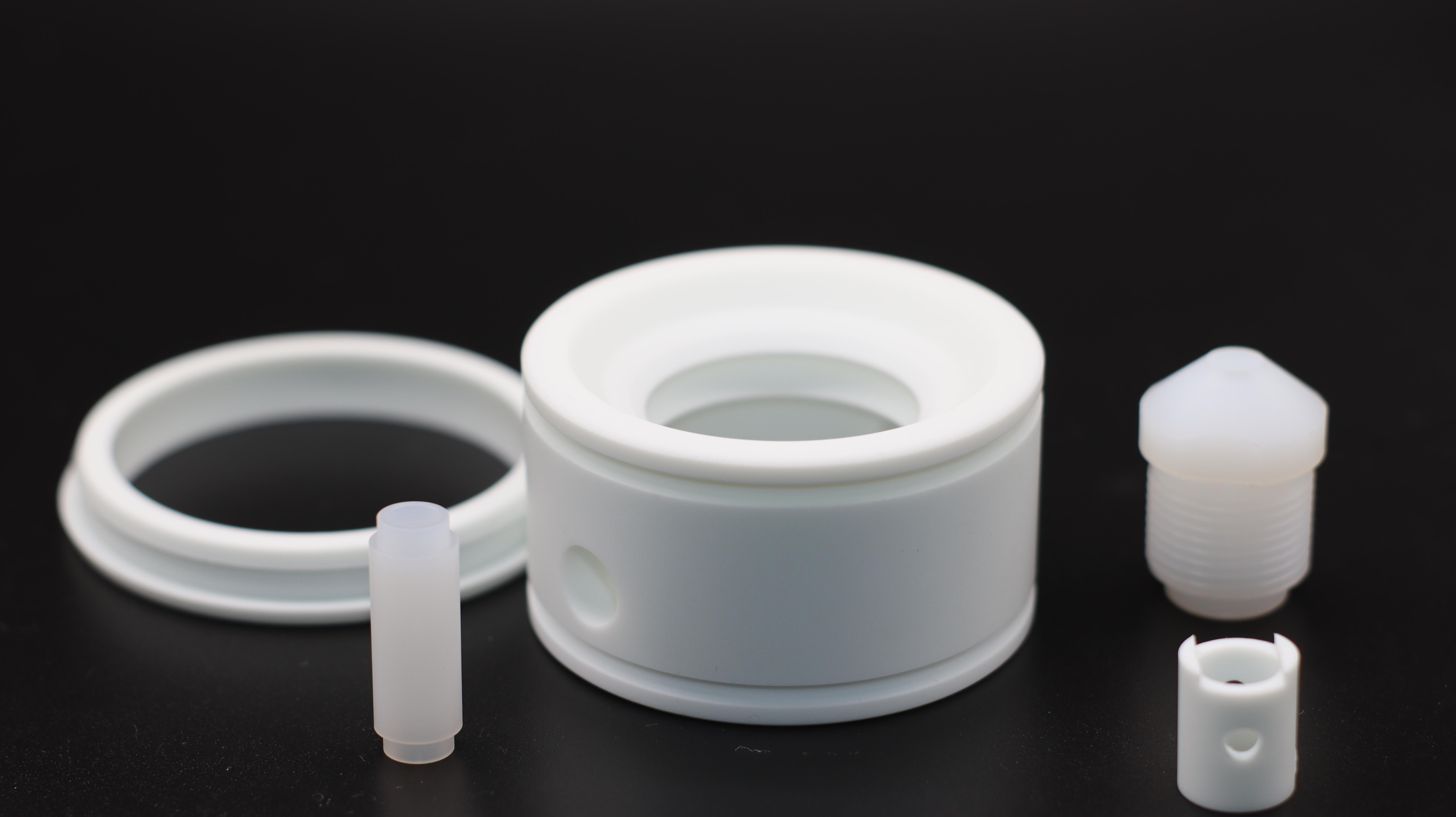
A PTFE seat valve represents a sophisticated flow control solution designed for demanding industrial applications. This specialized valve combines polytetrafluoroethylene (PTFE) seating materials with robust engineering to deliver exceptional performance across diverse operating environments. The PTFE seat valve functions by utilizing a floating or fixed ball mechanism that creates a reliable seal against the PTFE seat, effectively controlling fluid or gas flow through the pipeline. The core technology behind a PTFE seat valve involves the unique properties of polytetrafluoroethylene, a fluoropolymer known for its superior chemical resistance and low-friction characteristics. A PTFE seat valve maintains its structural integrity even when exposed to corrosive substances, extreme temperatures, and aggressive media that would damage conventional valve seats. The ball component rotates against the PTFE seat surface, providing precise flow control while minimizing wear and maintaining long-term reliability. Applications for the PTFE seat valve span multiple industries, including chemical processing, pharmaceutical manufacturing, petrochemical facilities, and water treatment systems. The PTFE seat valve excels in environments where chemical compatibility and durability are critical success factors. Engineers select the PTFE seat valve for processes involving corrosive acids, alkaline solutions, and specialty chemicals where standard materials would fail. This valve design ensures consistent performance, reduces maintenance requirements, and extends asset lifespan in the most challenging operational scenarios.

Popular Products

The PTFE seat valve offers substantial operational and economic benefits that make it an intelligent choice for modern industrial facilities. Unlike conventional valve seats that deteriorate when exposed to harsh chemicals, the PTFE seat valve resists corrosion, ensuring years of reliable service without premature failure or costly replacements. This chemical resistance directly translates to reduced downtime and lower total cost of ownership for facility managers. Operational benefits of the PTFE seat valve include exceptional sealing performance that minimizes leakage and product loss. The low-friction properties of PTFE mean the valve requires less actuator force for operation, reducing energy consumption and extending actuator lifespan. When you choose a PTFE seat valve, you gain superior flow control precision that improves process efficiency and product quality consistency. The PTFE seat valve demonstrates remarkable suitability across temperature extremes, maintaining dimensional stability and sealing integrity from cryogenic conditions to elevated temperatures. This versatility eliminates the need for multiple valve types in different process zones, simplifying inventory management and reducing engineering complexity. Decision-useful context reveals that PTFE seat valve installations require minimal maintenance compared to alternative solutions. The non-stick properties of PTFE prevent media buildup on seat surfaces, while the material's inherent cleanliness supports pharmaceutical and food-grade applications requiring hygiene certifications. Choosing a PTFE seat valve means investing in long-term reliability, environmental protection through reduced leakage, and compliance with stringent industry regulations without performance compromise.

Practical Tips

How Valve Stem Seals Improve Reliability in Oil and Gas Applications

04

Jun

How Valve Stem Seals Improve Reliability in Oil and Gas Applications

In the demanding world of oil and gas operations, equipment reliability is not optional — it is a core operational requirement. Among the many components that determine whether a system runs safely and efficiently, valve stem seals play a role that i...
View More
Sealing Challenges in Wellhead and Christmas Tree Equipment

05

Jun

Sealing Challenges in Wellhead and Christmas Tree Equipment

Wellhead sealing is one of the most demanding engineering challenges in oil and gas production. Every wellhead assembly must maintain pressure integrity under extreme temperatures, aggressive media, and continuous mechanical stress. When wellhead sea...
View More
Why Metal-to-Metal Sealing Is Required in Extreme Pressure Applications

10

Jun

Why Metal-to-Metal Sealing Is Required in Extreme Pressure Applications

In high-pressure industrial environments, the integrity of sealing systems determines operational safety, equipment longevity, and process reliability. When pressures exceed the capabilities of conventional elastomeric seals, metal-to-metal sealing b...
View More
Metal Seal Performance in High Temperature Energy and Power Systems

08

Jun

Metal Seal Performance in High Temperature Energy and Power Systems

In high temperature energy and power systems, component reliability is not optional — it is the foundation of safe and continuous operation. A metal seal is one of the most critical elements in maintaining pressure integrity, preventing leakage, and ...
View More

Get a Free Quote

Our representative will contact you soon.
Email
Name
Company Name
Attachment
Please upload at least an attachment
Up to 3 files, each no larger than 30MB. Supported formats: jpg, jpeg, png, pdf, doc, docx, xls, xlsx, csv, txt, stp, step, igs, x_t, dxf, prt, sldprt, sat, rar, zip.
Message
0/1000

ptfe seat valve

Superior Chemical Resistance and Durability

Superior Chemical Resistance and Durability

The PTFE seat valve delivers unmatched chemical resistance through its polytetrafluoroethylene construction, withstanding exposure to aggressive acids, alkaline solutions, and corrosive solvents that quickly deteriorate standard valve materials. This exceptional durability extends the operational lifespan of your PTFE seat valve significantly beyond conventional alternatives, reducing replacement frequency and associated costs. Industrial facilities processing hazardous chemicals gain substantial peace of mind knowing their PTFE seat valve maintains integrity under the most demanding conditions. The PTFE seat valve's resistance to chemical attack prevents material degradation, leakage incidents, and environmental contamination. This advantage proves particularly valuable in pharmaceutical manufacturing, chemical processing plants, and waste treatment facilities where chemical exposure is constant and inevitable. By selecting a PTFE seat valve, you eliminate the uncertainty associated with material failure, ensuring consistent, safe operations throughout extended service intervals.
Low-Friction Performance and Energy Efficiency

Low-Friction Performance and Energy Efficiency

The unique molecular structure of PTFE creates an exceptionally low-friction surface, making the PTFE seat valve remarkably easy to operate with minimal resistance during valve actuation. This low-friction advantage directly reduces the force required to open and close your PTFE seat valve, translating to decreased energy consumption and extended actuator lifespan. Manual or automated control systems connected to your PTFE seat valve operate more efficiently, contributing to reduced facility operating costs and improved sustainability metrics. The PTFE seat valve's smooth sealing surface prevents friction-related wear that typically compromises valve longevity in conventional designs. This performance characteristic becomes increasingly valuable in high-cycle applications where valves operate repeatedly throughout operational periods. The energy savings from using a PTFE seat valve compound over years of operation, delivering meaningful financial benefits while supporting environmental responsibility objectives.
Reliable Sealing Performance and Minimal Leakage

Reliable Sealing Performance and Minimal Leakage

The PTFE seat valve establishes an exceptional seal between the ball mechanism and the seat surface, virtually eliminating problematic leakage that affects conventional valve designs. This outstanding sealing performance means your PTFE seat valve prevents costly product loss, environmental exposure, and safety hazards associated with leaking systems. Critical process applications demanding leak-free operation benefit tremendously from the PTFE seat valve's inherent design advantages and material properties. The PTFE seat valve maintains consistent sealing integrity across extended service life, resisting degradation from repeated temperature cycling and pressure fluctuations. Pharmaceutical manufacturers, food processors, and specialty chemical producers specify the PTFE seat valve specifically for its ability to prevent cross-contamination through leakage pathways. Process reliability improves substantially when you implement PTFE seat valve technology, supporting compliance with environmental regulations while protecting product quality and safety standards.

Get a Free Quote

Our representative will contact you soon.
Email
Name
Company Name
Attachment
Please upload at least an attachment
Up to 3 files, each no larger than 30MB. Supported formats: jpg, jpeg, png, pdf, doc, docx, xls, xlsx, csv, txt, stp, step, igs, x_t, dxf, prt, sldprt, sat, rar, zip.
Message
0/1000