
Lip Seal Types: Solutions for Reliable Sealing

All Categories

lip seal types

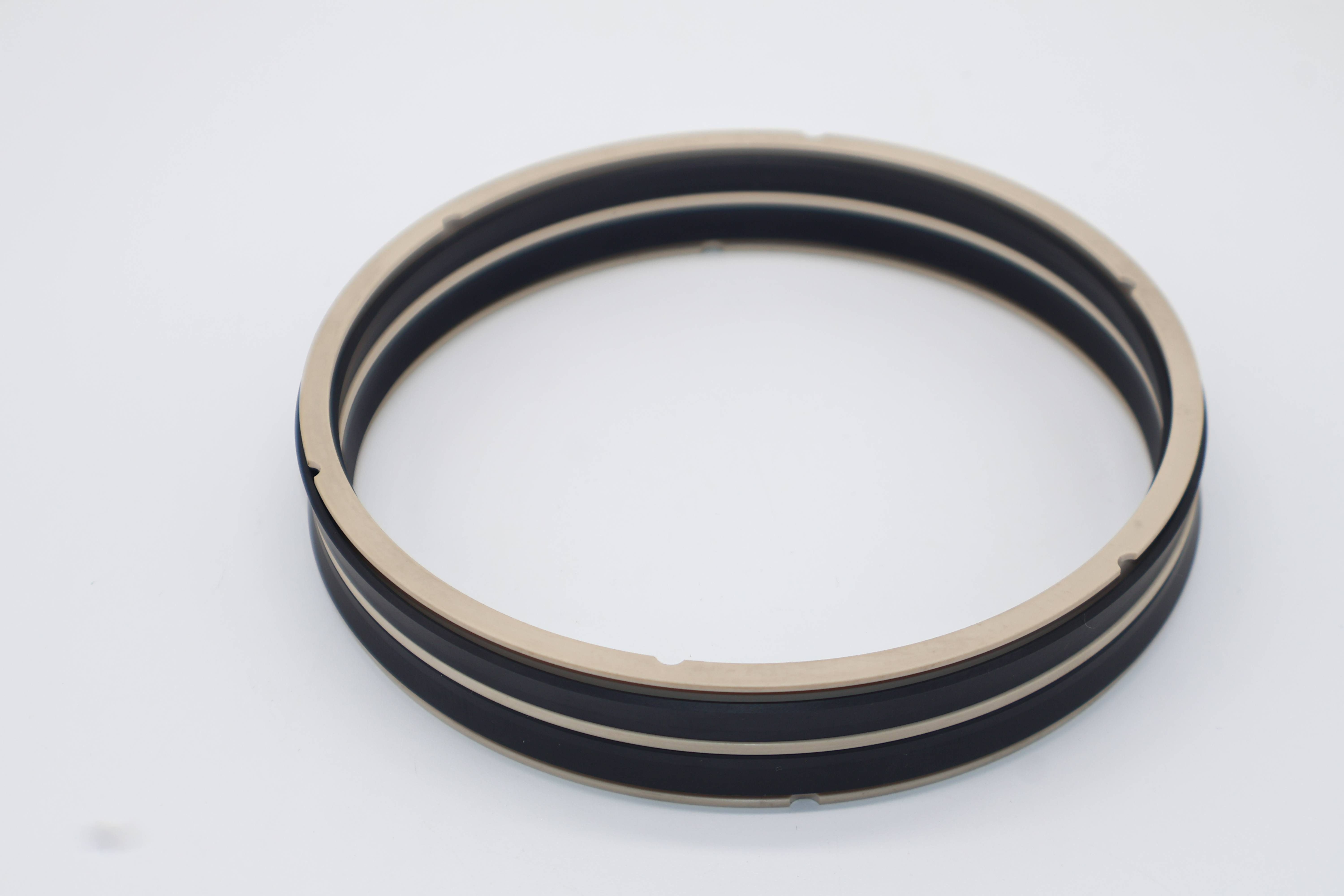
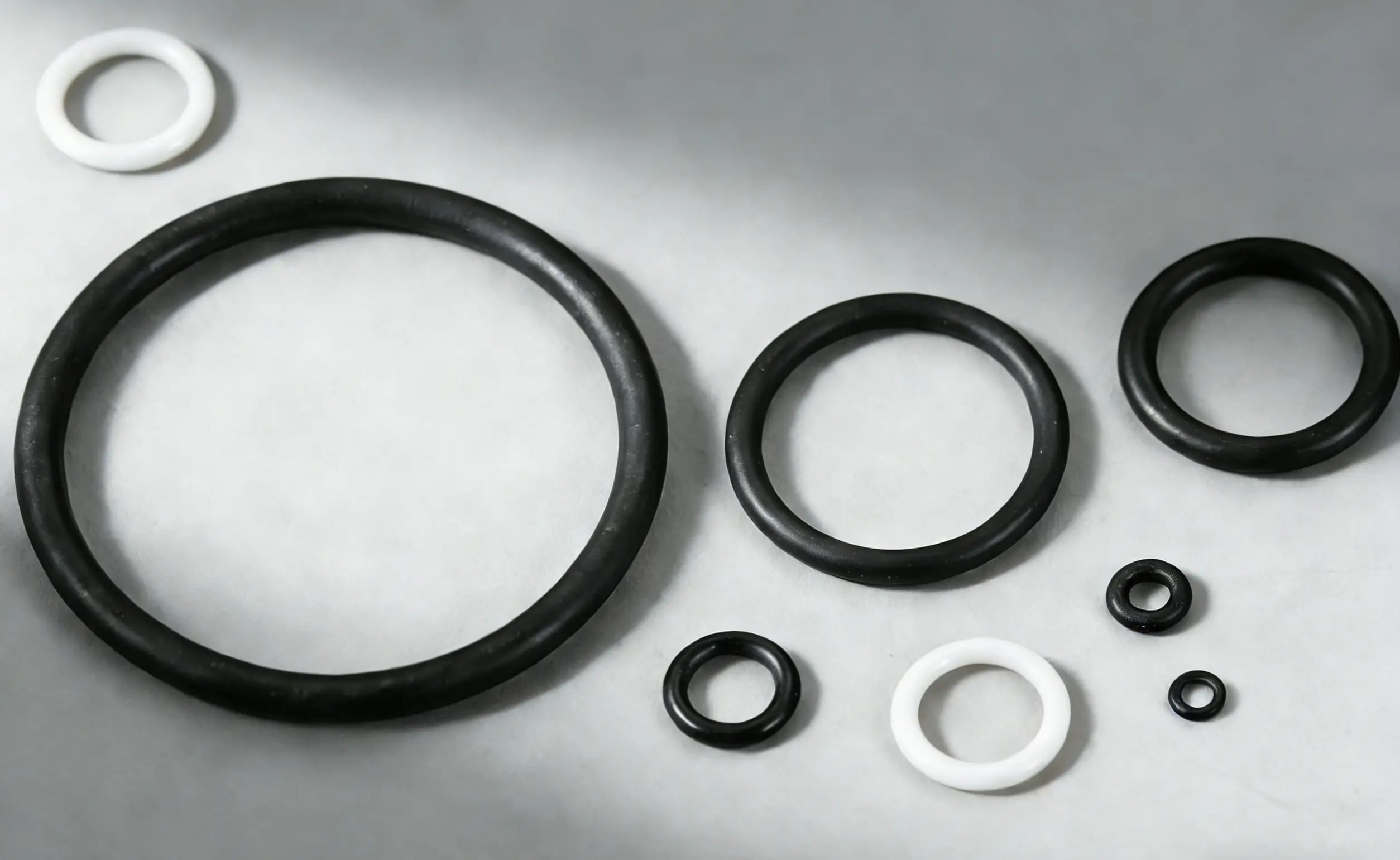
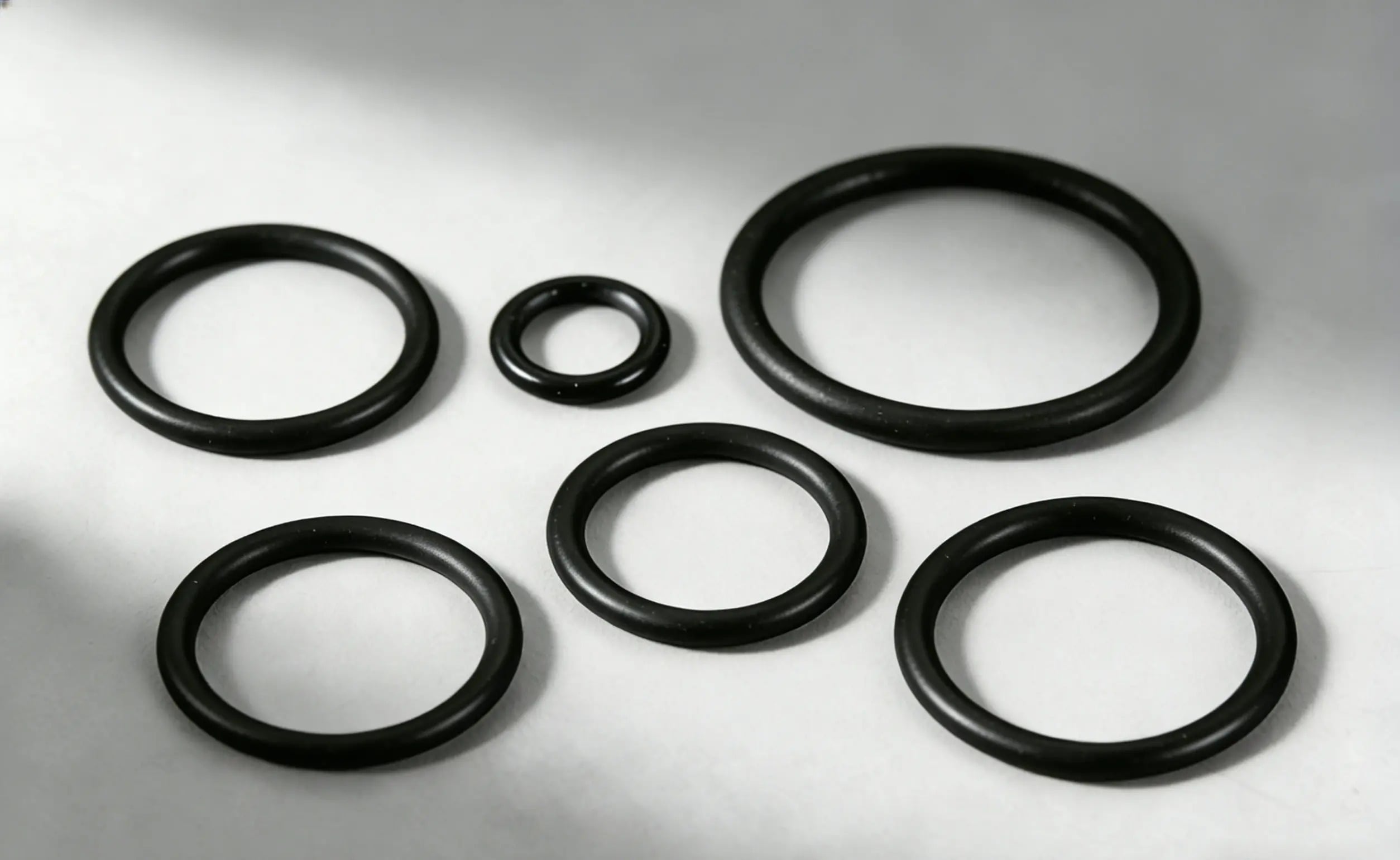
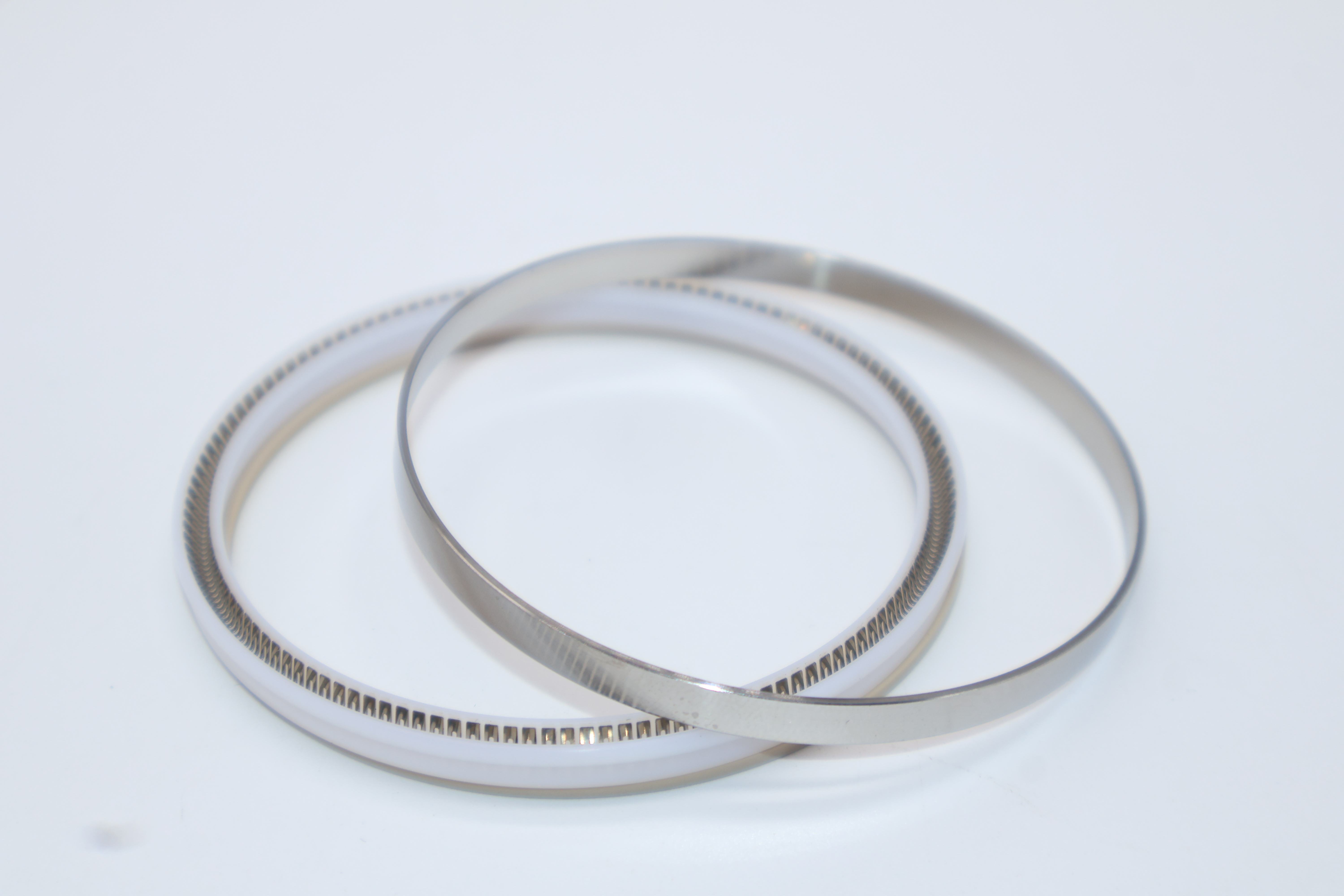
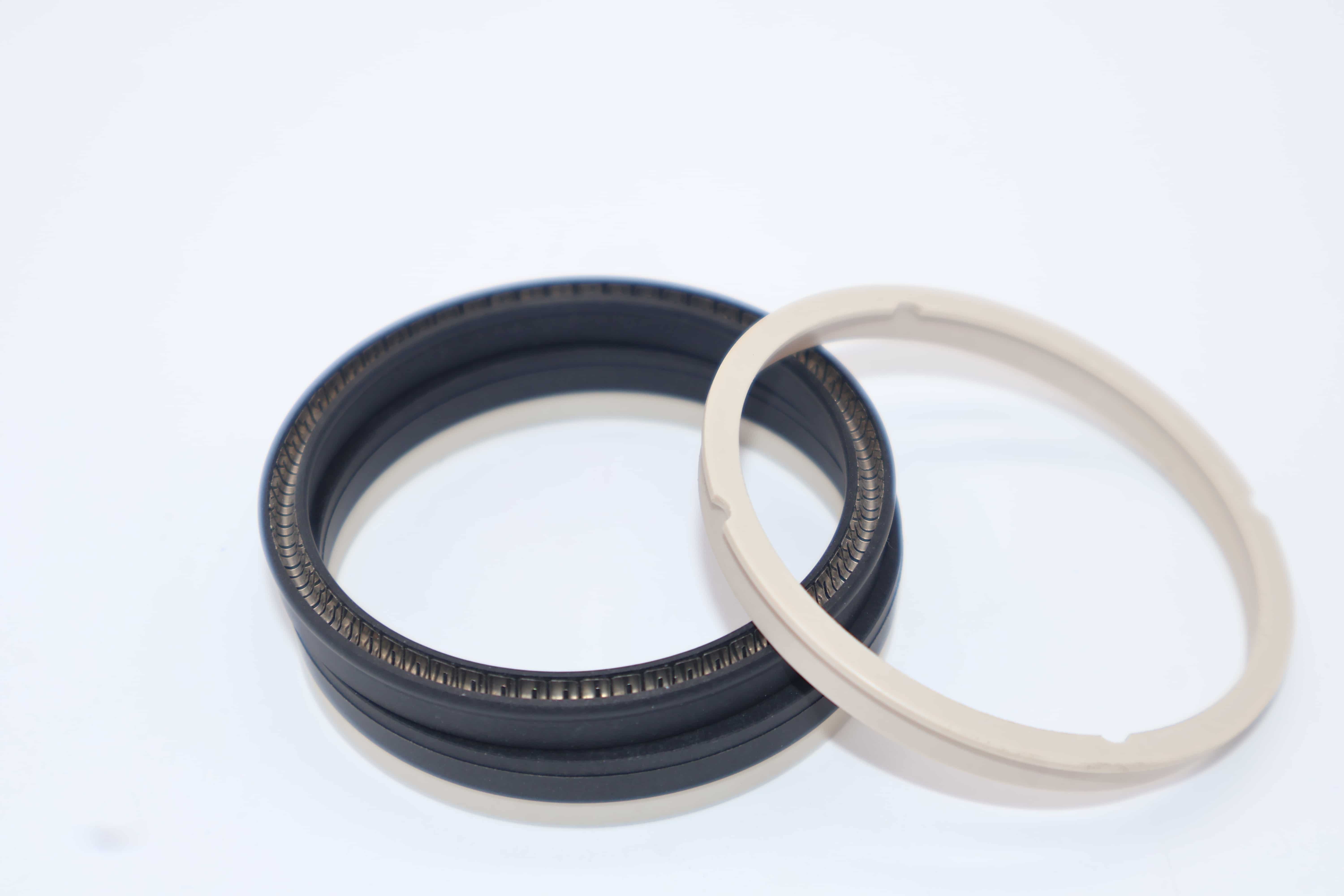
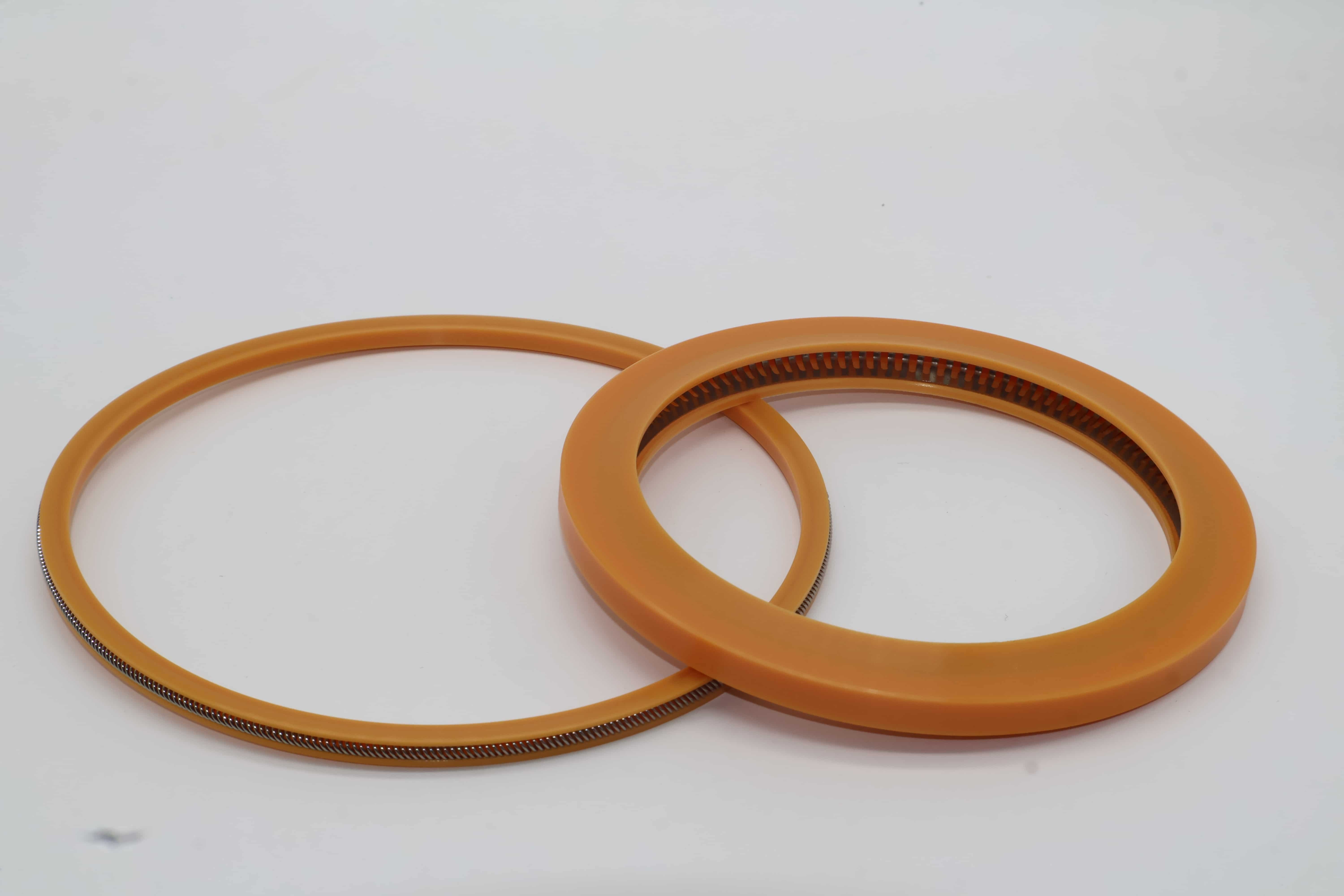
Lip seal types represent a critical category of dynamic sealing solutions designed to contain fluids and prevent leakage in rotating or reciprocating machinery. These specialized components function by maintaining contact with moving surfaces, creating an effective barrier against unwanted fluid escape. Understanding different lip seal types is essential for engineers and maintenance professionals seeking reliable sealing performance. The primary function of lip seal types involves creating a dynamic seal between stationary and moving components. The sealing lip, typically made from elastomeric materials, applies consistent pressure against the shaft or rod surface, preventing lubricants from leaking while blocking contaminants from entering the system. This dual-action protection ensures equipment longevity and operational reliability. Technologically, lip seal types feature advanced elastomer compounds engineered for specific applications and operating conditions. Single lip designs offer basic sealing for standard applications, while double lip configurations provide enhanced protection with separate sealing and dust-wiping functions. Materials like nitrile rubber, fluorocarbon, and polyacrylate enable lip seal types to withstand extreme temperatures, aggressive chemicals, and high rotational speeds. Applications for lip seal types span diverse industries including automotive, industrial machinery, pumps, and hydraulic systems. These seals protect engine crankshafts, transmission components, and bearing assemblies from fluid loss and contamination. The versatility of lip seal types makes them indispensable in both rotating shaft and reciprocating rod applications, ensuring consistent performance across manufacturing, agriculture, and marine sectors where equipment reliability determines operational success.

New Product Recommendations

Lip seal types deliver exceptional value through straightforward functionality and proven performance in demanding environments. These sealing solutions eliminate fluid leakage effectively, reducing maintenance costs and preventing environmental contamination from escaped lubricants. By choosing appropriate lip seal types, facility managers minimize unplanned downtime while extending equipment service life considerably. Operationally, lip seal types perform reliably across extensive temperature ranges and rotational speeds. The dynamic sealing action maintains consistent protection without requiring complex monitoring or frequent adjustments. Equipment operators appreciate the simplicity of lip seal types, which function passively while delivering predictable sealing performance. This reliability translates directly into reduced troubleshooting time and lower labor expenses for maintenance teams. The application suitability of lip seal types makes them ideal for numerous industrial scenarios. Whether protecting rotating shafts in electric motors or sealing reciprocating rods in hydraulic cylinders, various lip seal types address specific operational challenges effectively. Engineers select appropriate lip seal types based on shaft diameter, speed, temperature, and chemical compatibility requirements, ensuring optimal performance in each unique installation. From a purchasing perspective, lip seal types represent cost-effective solutions compared to alternative sealing technologies. The standardized nature of these components enables quick replacement, minimizing production interruptions. Customers benefit from competitive pricing while maintaining seal integrity. Additionally, the widespread availability of diverse lip seal types across multiple manufacturers provides flexibility in sourcing and inventory management. Organizations implementing proper seal selection protocols with lip seal types achieve measurable improvements in equipment reliability and operational efficiency, justifying the investment in quality sealing solutions.

Tips And Tricks

Sealing Challenges in Wellhead and Christmas Tree Equipment

05

Jun

Sealing Challenges in Wellhead and Christmas Tree Equipment

Wellhead sealing is one of the most demanding engineering challenges in oil and gas production. Every wellhead assembly must maintain pressure integrity under extreme temperatures, aggressive media, and continuous mechanical stress. When wellhead sea...
View More

07

Jun

In demanding industrial environments, the integrity of mechanical systems depends heavily on the quality of sealing solutions deployed across equipment and infrastructure. Whether managing fluid containment, pressure retention, or vibration resistanc...
View More
Why Metal-to-Metal Sealing Is Required in Extreme Pressure Applications

10

Jun

Why Metal-to-Metal Sealing Is Required in Extreme Pressure Applications

In high-pressure industrial environments, the integrity of sealing systems determines operational safety, equipment longevity, and process reliability. When pressures exceed the capabilities of conventional elastomeric seals, metal-to-metal sealing b...
View More
Why PTFE Rotary Lip Seals Are Used in Dry-Running Applications and Their Limits

22

Jun

Why PTFE Rotary Lip Seals Are Used in Dry-Running Applications and Their Limits

When engineers design equipment that operates without liquid lubrication at the shaft interface, selecting the right sealing element becomes critical. A PTFE rotary lip seal is one of the few sealing solutions engineered to function reliably in dry-r...
View More

Get a Free Quote

Our representative will contact you soon.
Email
Name
Company Name
Attachment
Please upload at least an attachment
Up to 3 files, each no larger than 30MB. Supported formats: jpg, jpeg, png, pdf, doc, docx, xls, xlsx, csv, txt, stp, step, igs, x_t, dxf, prt, sldprt, sat, rar, zip.
Message
0/1000

lip seal types

Superior Leak Prevention and Equipment Protection

Superior Leak Prevention and Equipment Protection

Lip seal types excel at preventing fluid leakage through dynamic contact with rotating or reciprocating surfaces. The carefully engineered sealing lip applies precise pressure, creating an impenetrable barrier that keeps lubricants inside equipment while blocking external contaminants. This dual protection mechanism makes lip seal types essential for industries where fluid loss leads to equipment failure. By implementing appropriate lip seal types, operators dramatically reduce environmental contamination from leaking oils and hydraulic fluids. The prevention of fluid escape extends equipment lifespan significantly, as components remain properly lubricated and protected. Industries ranging from automotive manufacturing to petroleum refineries depend on reliable lip seal types to maintain operational integrity and comply with environmental regulations. The consistent performance of quality lip seal types justifies their widespread adoption across multiple industrial sectors.
Wide Temperature and Speed Compatibility

Wide Temperature and Speed Compatibility

Different lip seal types accommodate extreme operating conditions that challenge conventional sealing solutions. Advanced elastomer formulations enable lip seal types to function reliably from sub-zero temperatures to high-heat environments exceeding 200 degrees Celsius. This temperature versatility positions lip seal types as the preferred choice for applications involving engines, compressors, and thermal processing equipment. Rotational speed compatibility represents another critical advantage of modern lip seal types. High-speed applications demand seals that generate minimal friction while maintaining sealing integrity, and specialized lip seal types deliver exactly this performance. From low-speed agricultural machinery to high-velocity industrial pumps, various lip seal types handle diverse speed requirements without compromising reliability. The engineering sophistication embedded in contemporary lip seal types ensures consistent performance across challenging operational parameters that would overwhelm inferior sealing alternatives.
Simple Installation and Cost-Effective Maintenance

Simple Installation and Cost-Effective Maintenance

Implementing lip seal types requires minimal technical expertise compared to complex sealing systems. Installation procedures for lip seal types remain straightforward, reducing labor costs and minimizing downtime during replacement procedures. The standardized design of most lip seal types enables quick sourcing and inventory management, supporting efficient maintenance operations. Cost-effectiveness represents a significant advantage of lip seal types for budget-conscious organizations. These sealing solutions offer superior performance relative to their affordable pricing structure, delivering exceptional return on investment. Replacement costs remain minimal since lip seal types integrate easily into existing equipment designs without requiring extensive modifications. Maintenance teams appreciate the reliability of proven lip seal types, which function reliably with minimal supervision or adjustment. By selecting appropriate lip seal types for specific applications, organizations optimize both initial capital expenditure and long-term operational expenses, achieving financial and performance objectives simultaneously.

Get a Free Quote

Our representative will contact you soon.
Email
Name
Company Name
Attachment
Please upload at least an attachment
Up to 3 files, each no larger than 30MB. Supported formats: jpg, jpeg, png, pdf, doc, docx, xls, xlsx, csv, txt, stp, step, igs, x_t, dxf, prt, sldprt, sat, rar, zip.
Message
0/1000