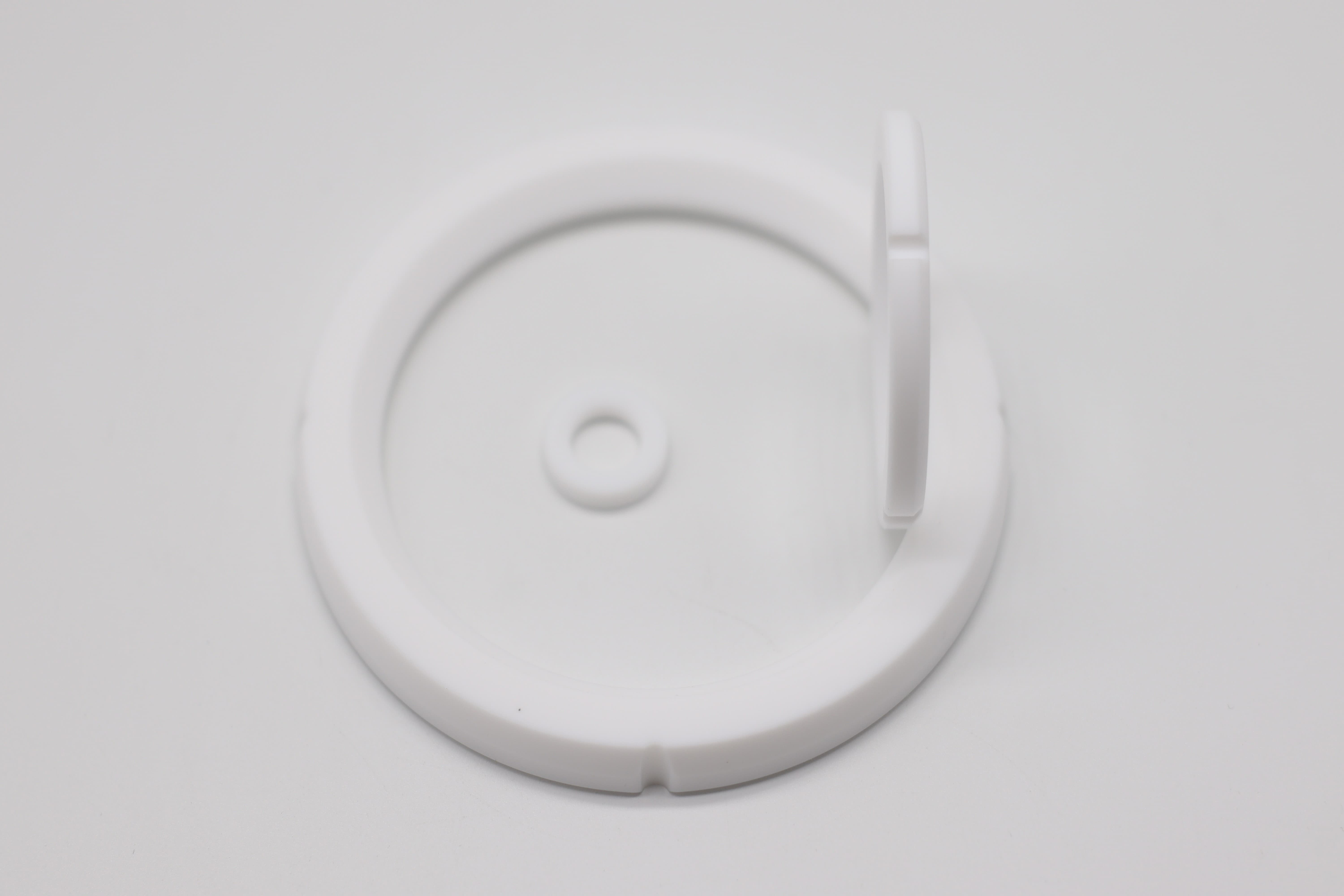
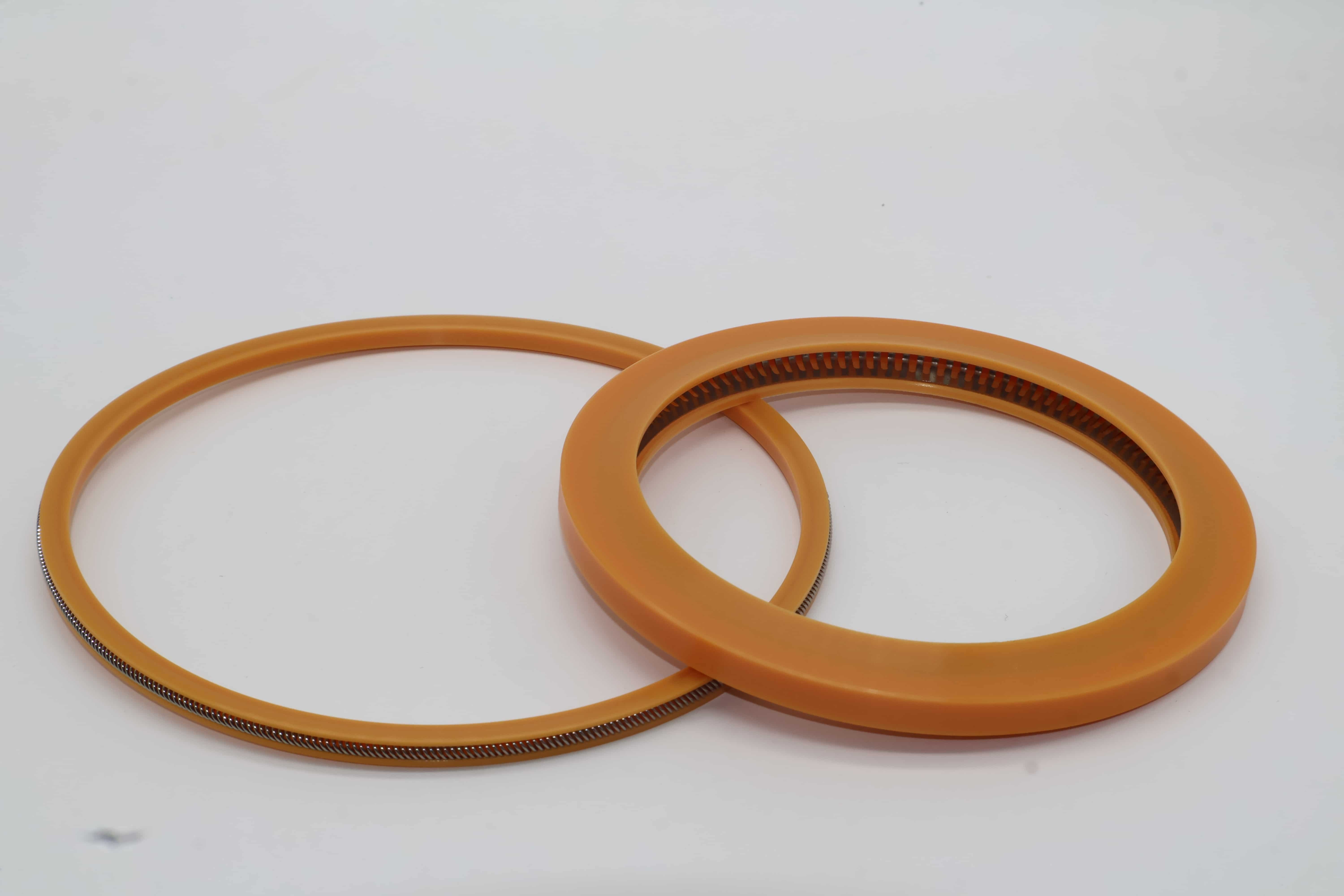
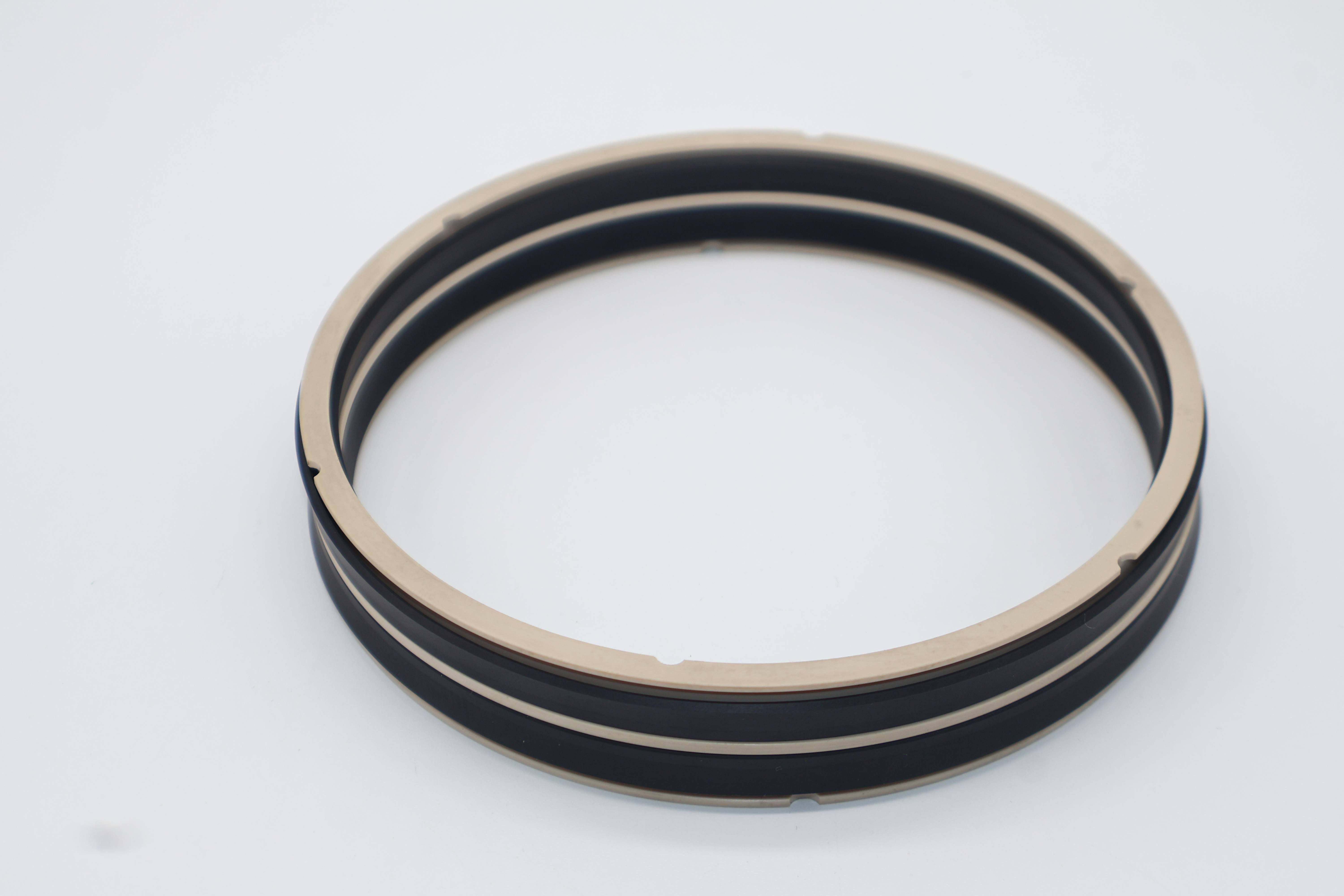
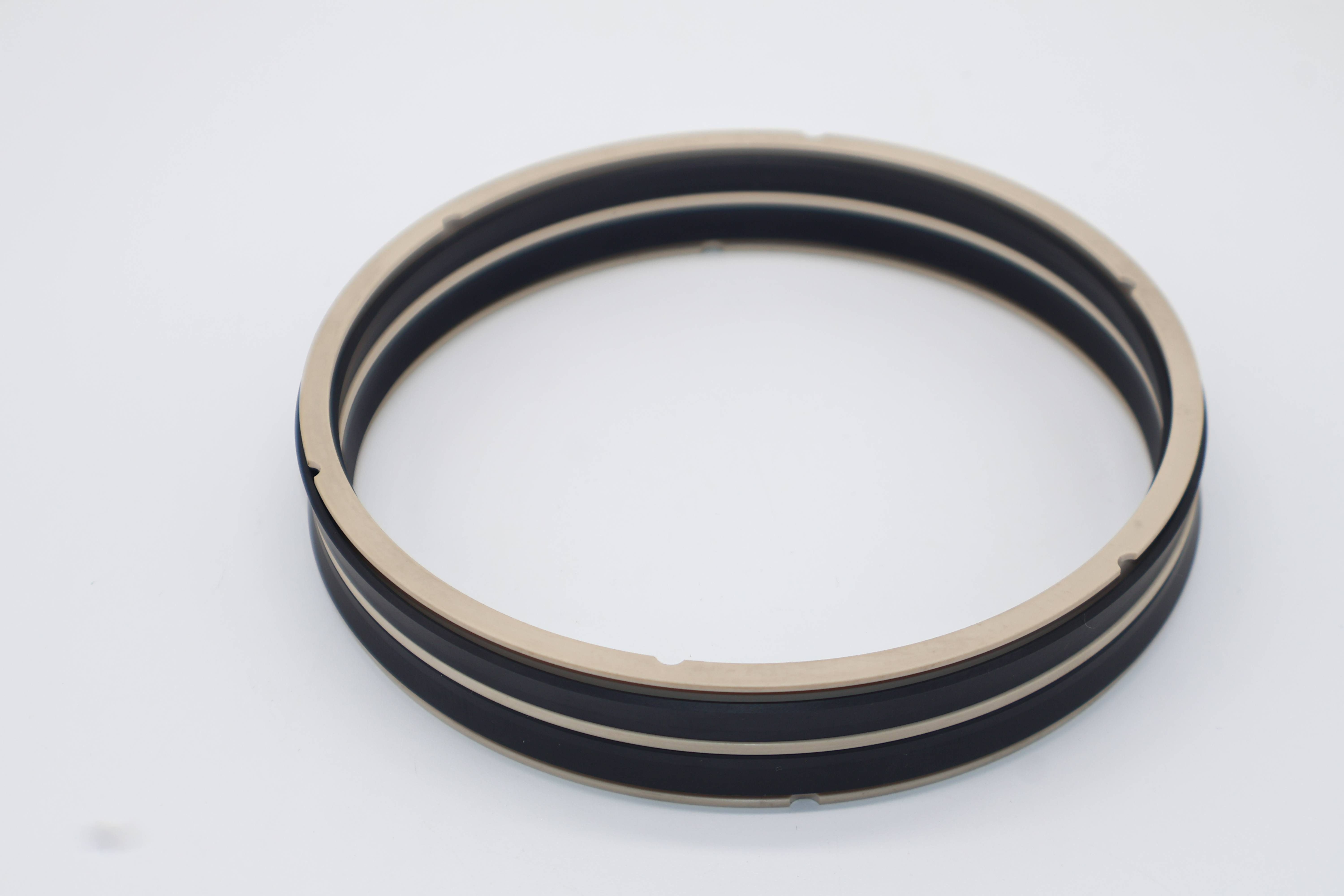
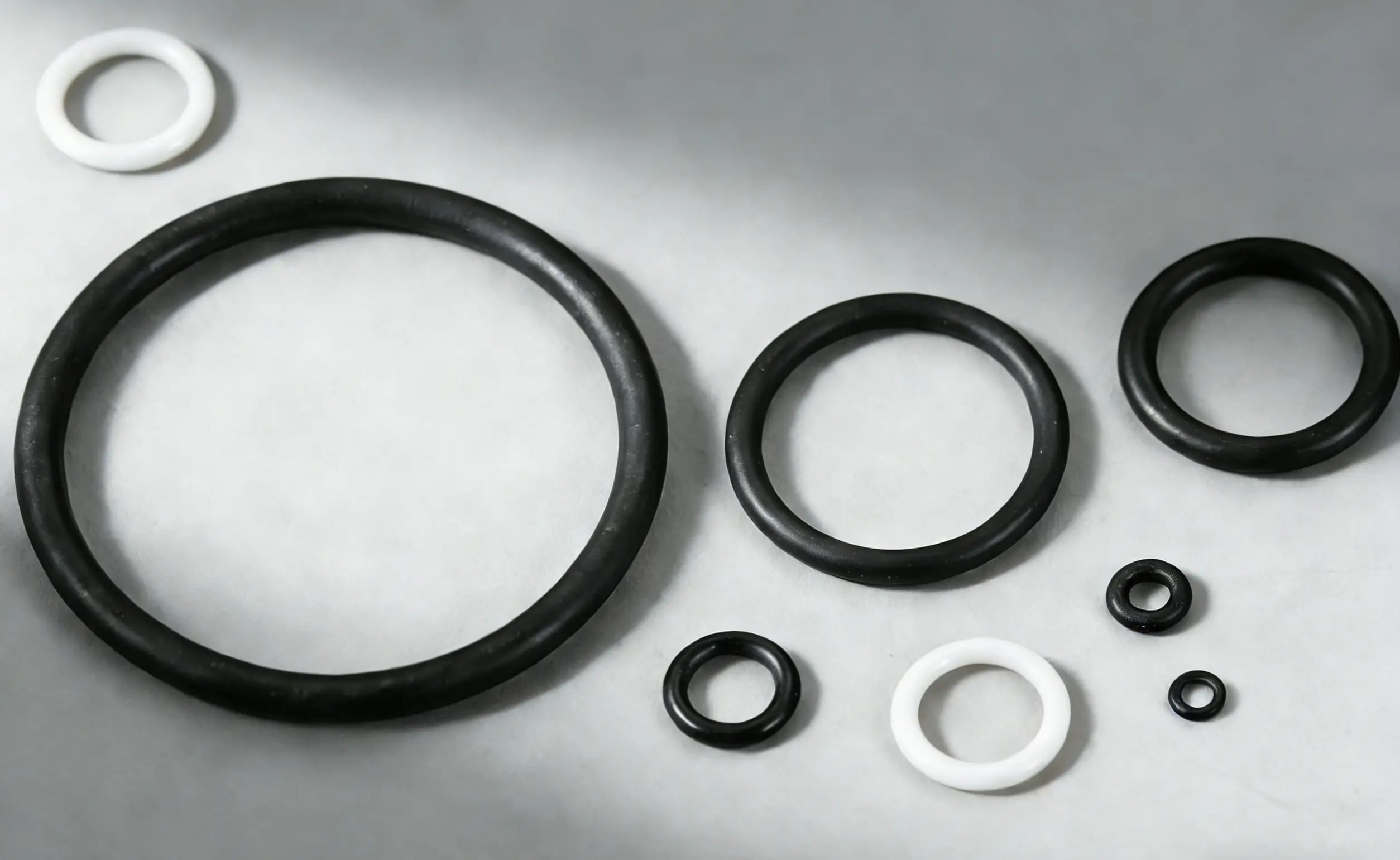
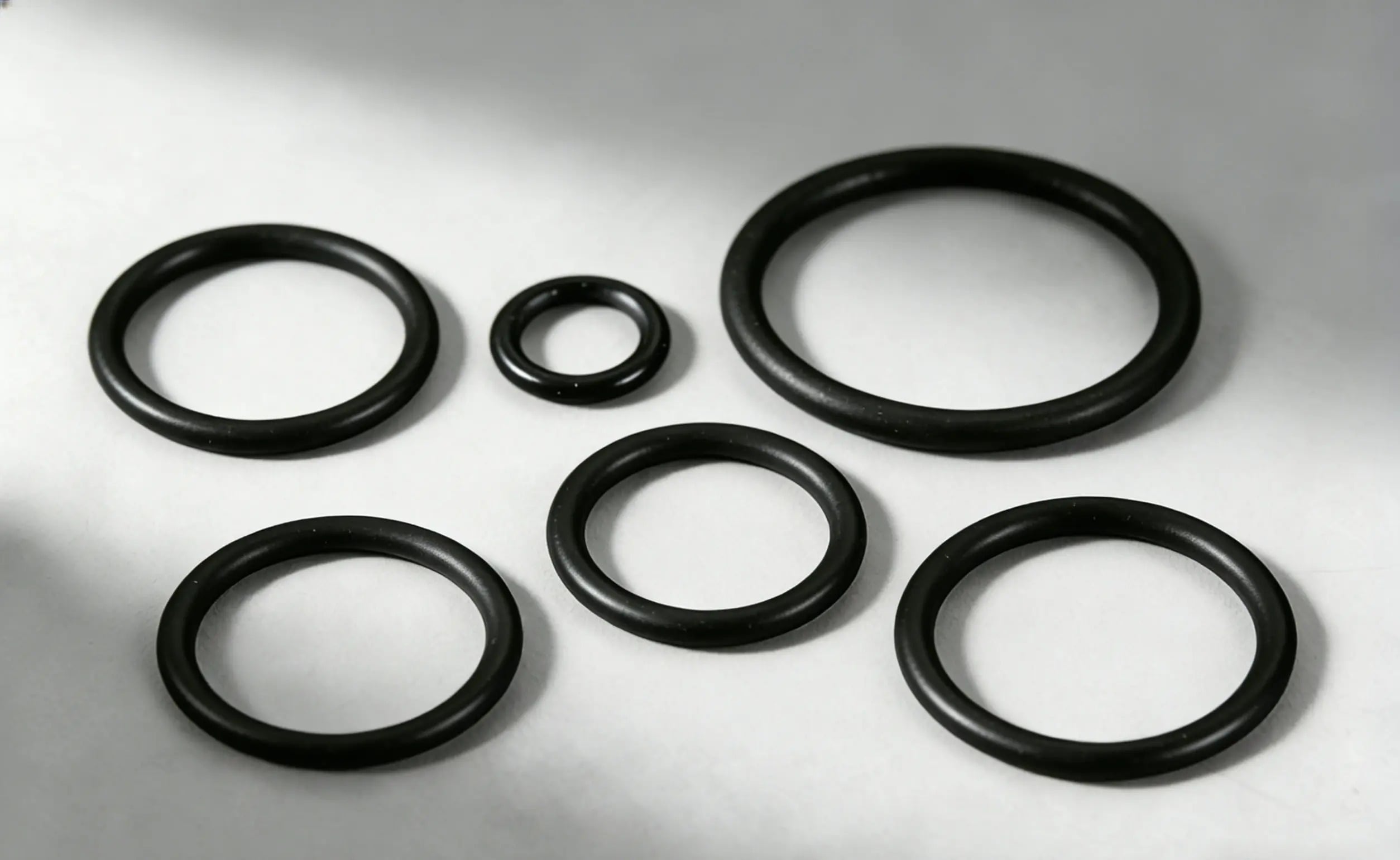
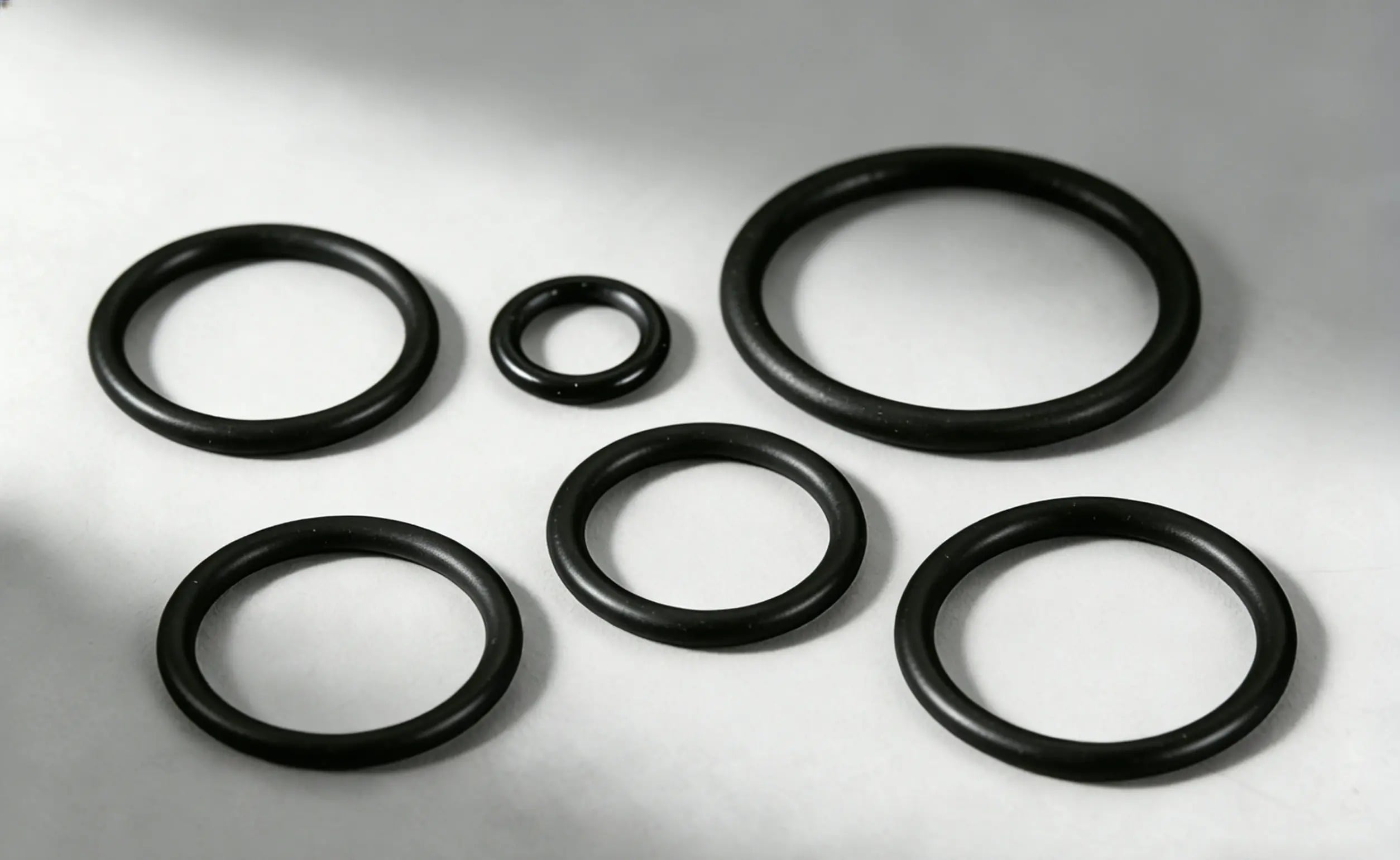
oil and gas ball valve seal
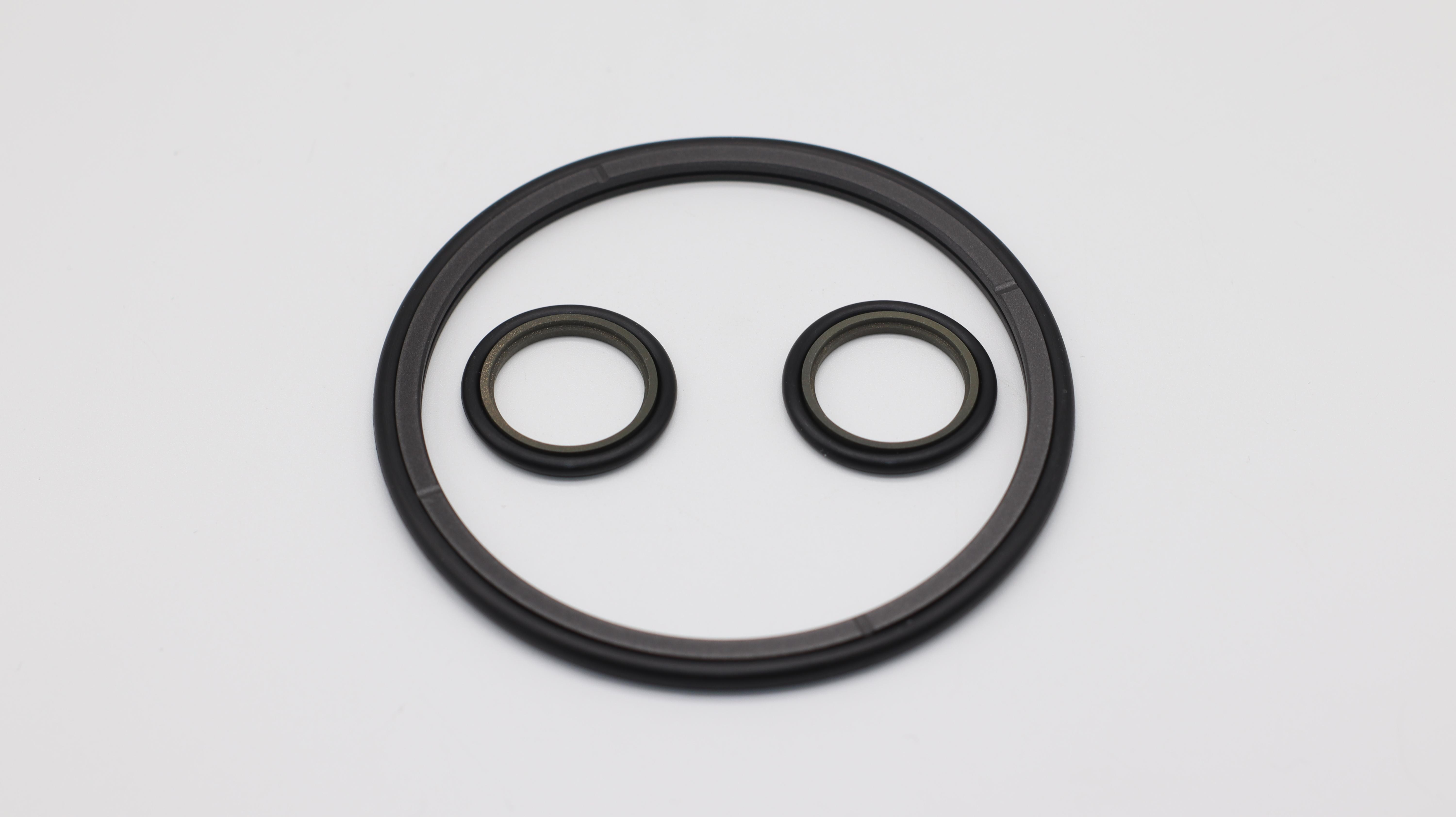
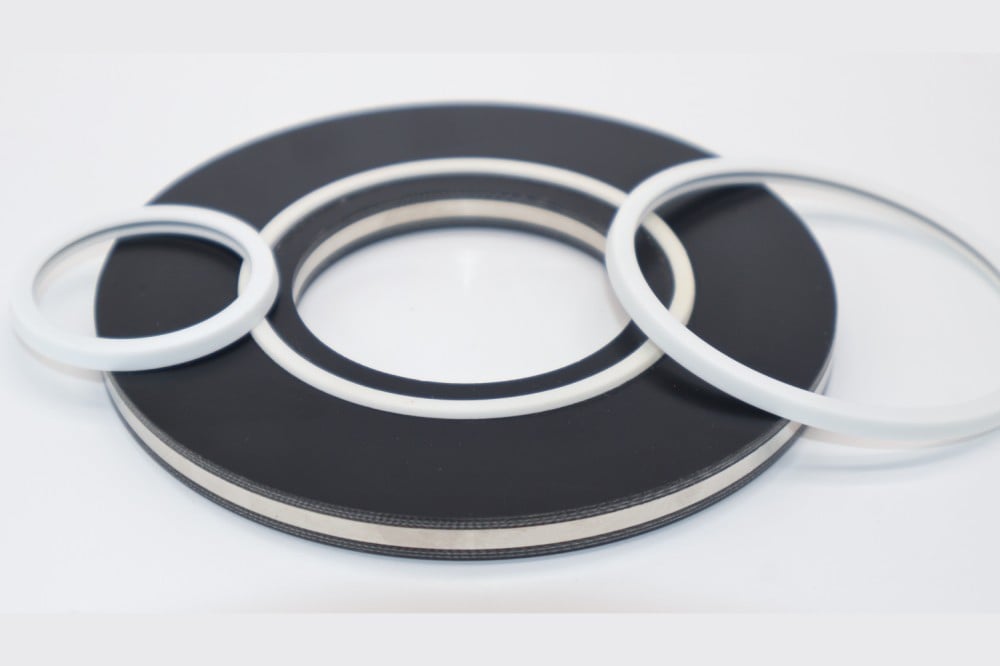
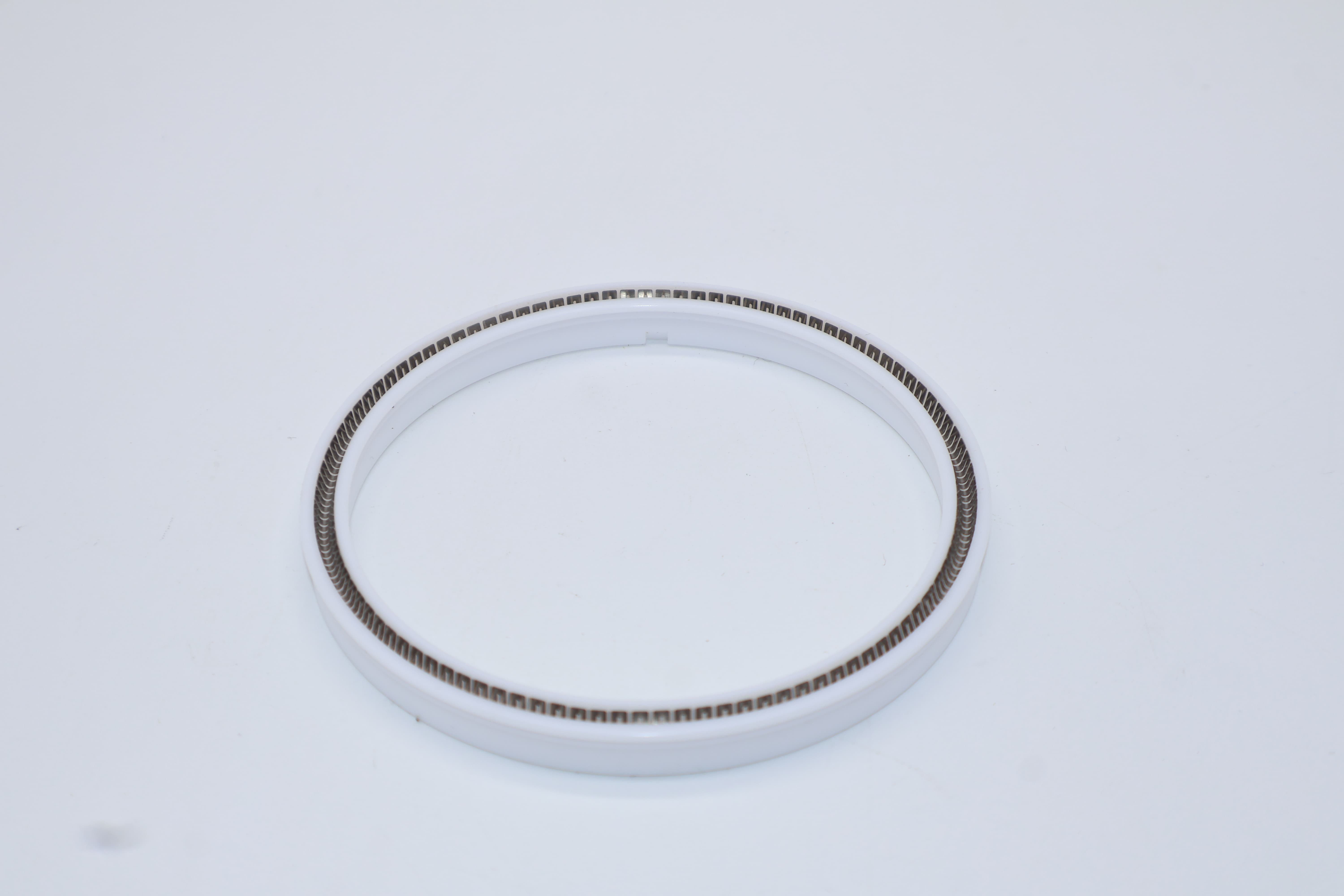
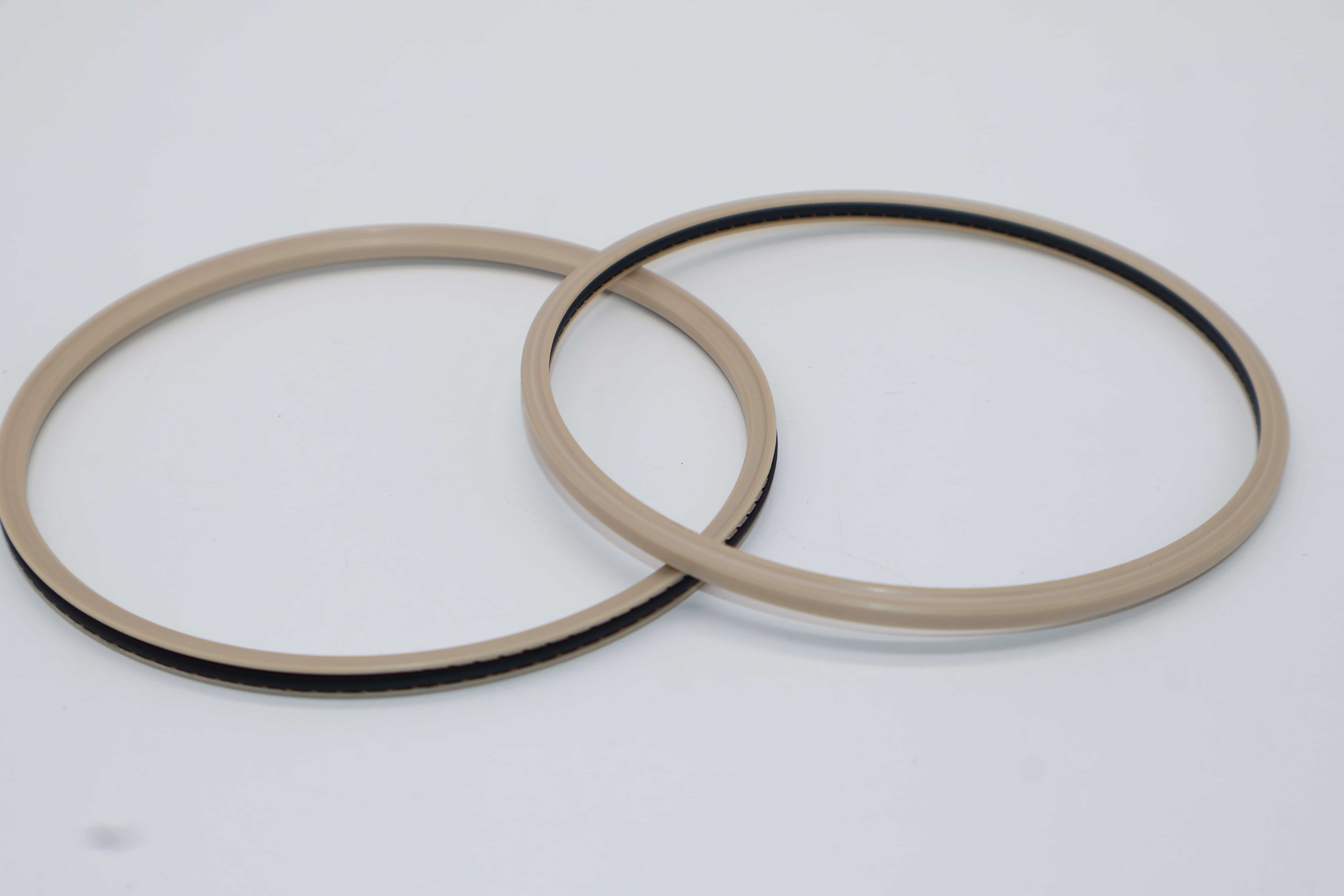
An oil and gas ball valve seal represents a critical component in petroleum industry operations, designed to prevent fluid leakage and maintain system integrity under extreme pressure and temperature conditions. The oil and gas ball valve seal functions as a protective barrier between the valve ball and its housing, ensuring reliable performance in demanding upstream, midstream, and downstream applications.
The oil and gas ball valve seal incorporates advanced sealing technology that withstands corrosive environments, abrasive media, and fluctuating operational pressures. These seals typically feature elastomer or composite materials engineered to maintain elasticity and mechanical strength across wide temperature ranges, from sub-zero conditions to extreme heat exposure commonly encountered in offshore drilling and refinery operations.
Key technological features of the oil and gas ball valve seal include bi-directional sealing capability, reduced friction design, and enhanced chemical resistance. The sealing mechanism prevents both internal and external leakage, minimizing product loss and environmental contamination risks. Modern oil and gas ball valve seals incorporate anti-extrusion designs that protect seal materials from damage during high-pressure cycling.
Applications for oil and gas ball valve seals span multiple industry segments, including crude oil extraction, natural gas processing, pipeline transportation, and refining operations. These seals prove essential in subsea equipment, wellhead systems, and downstream processing facilities where reliability directly impacts operational safety and profitability. The oil and gas ball valve seal selection depends on specific fluid compatibility, pressure ratings, temperature ranges, and regulatory compliance requirements within each operational environment.
 EN
EN