PTFE Seat Solutions for Reliable Valve Sealing

All Categories

ptfe seat

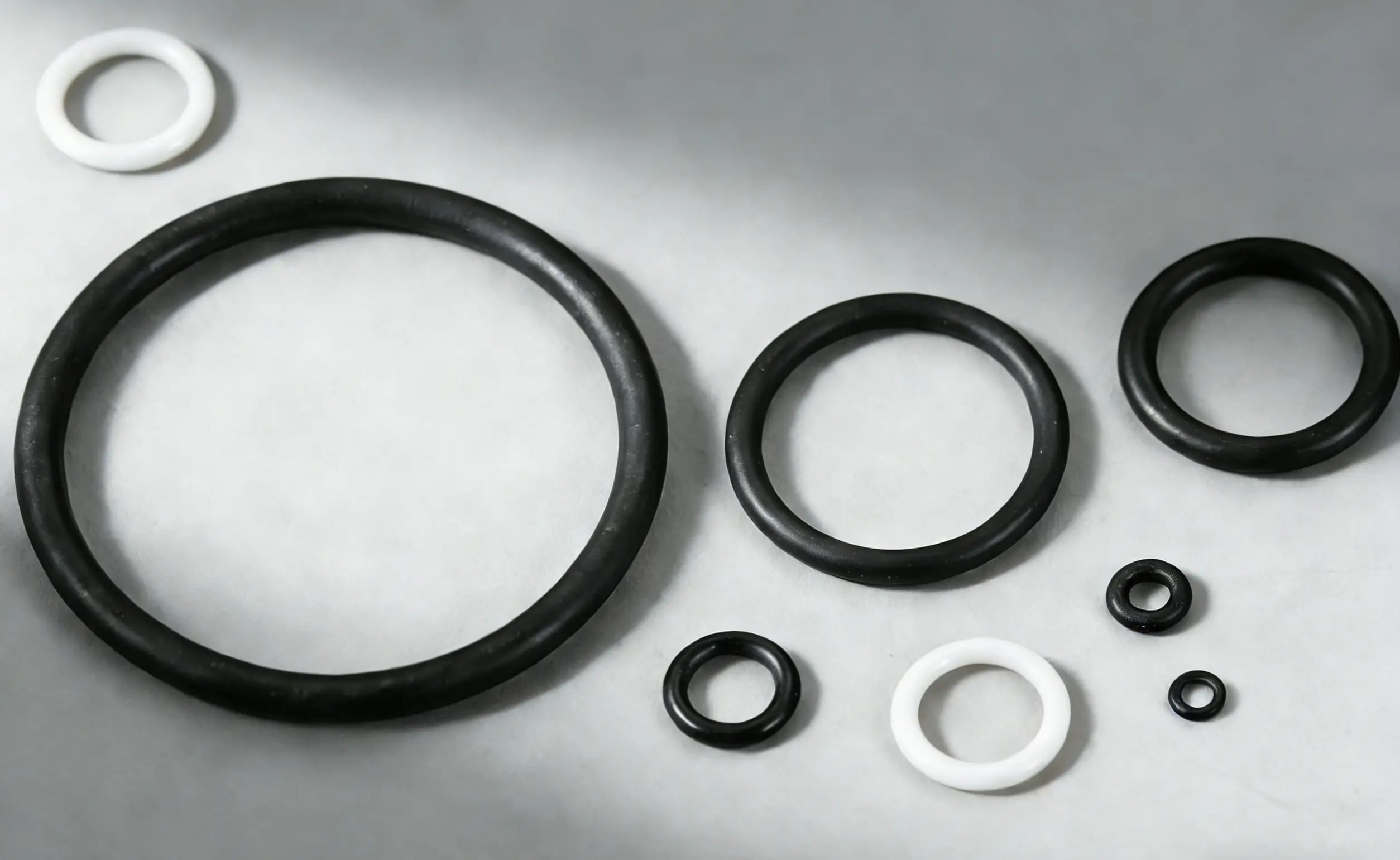
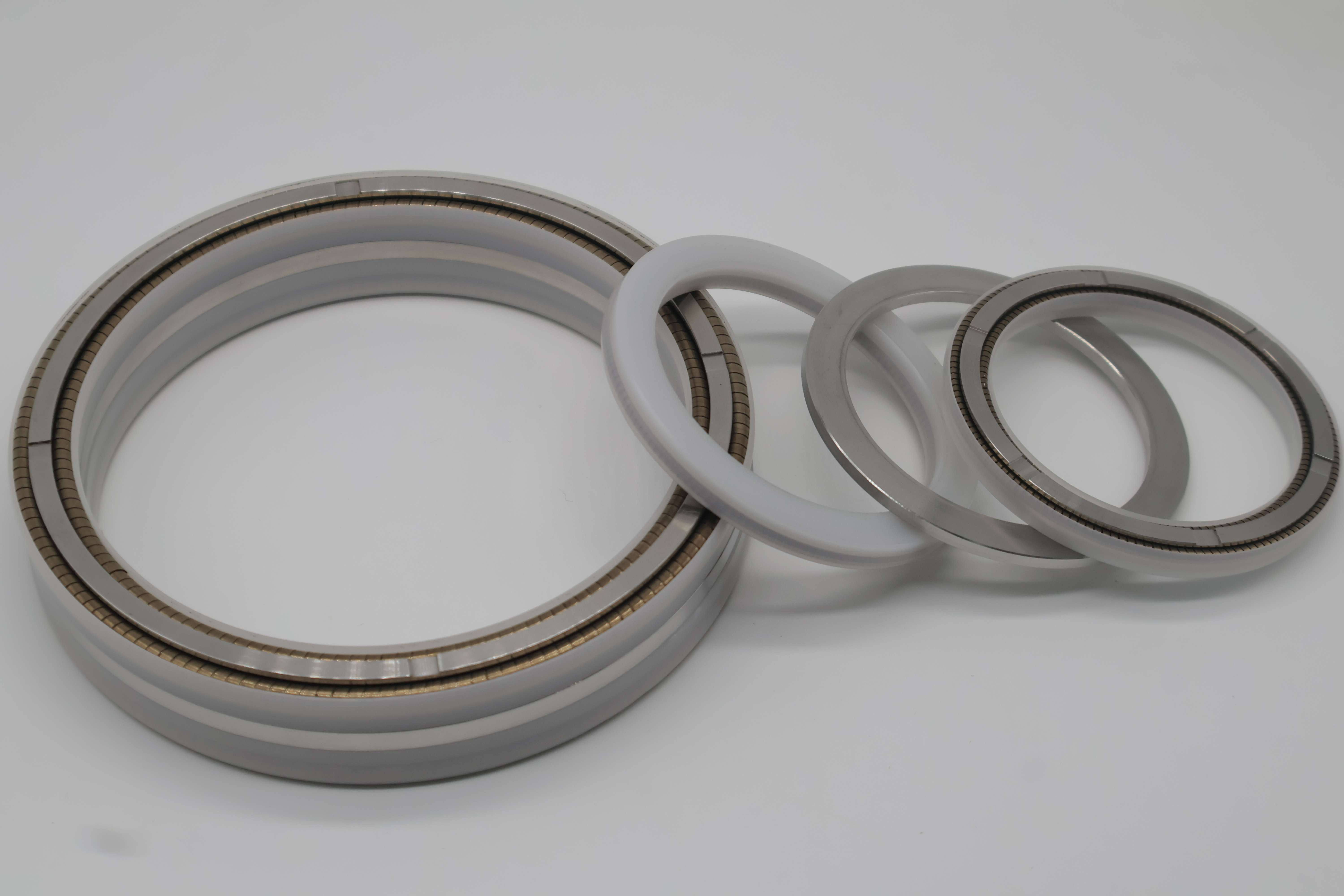
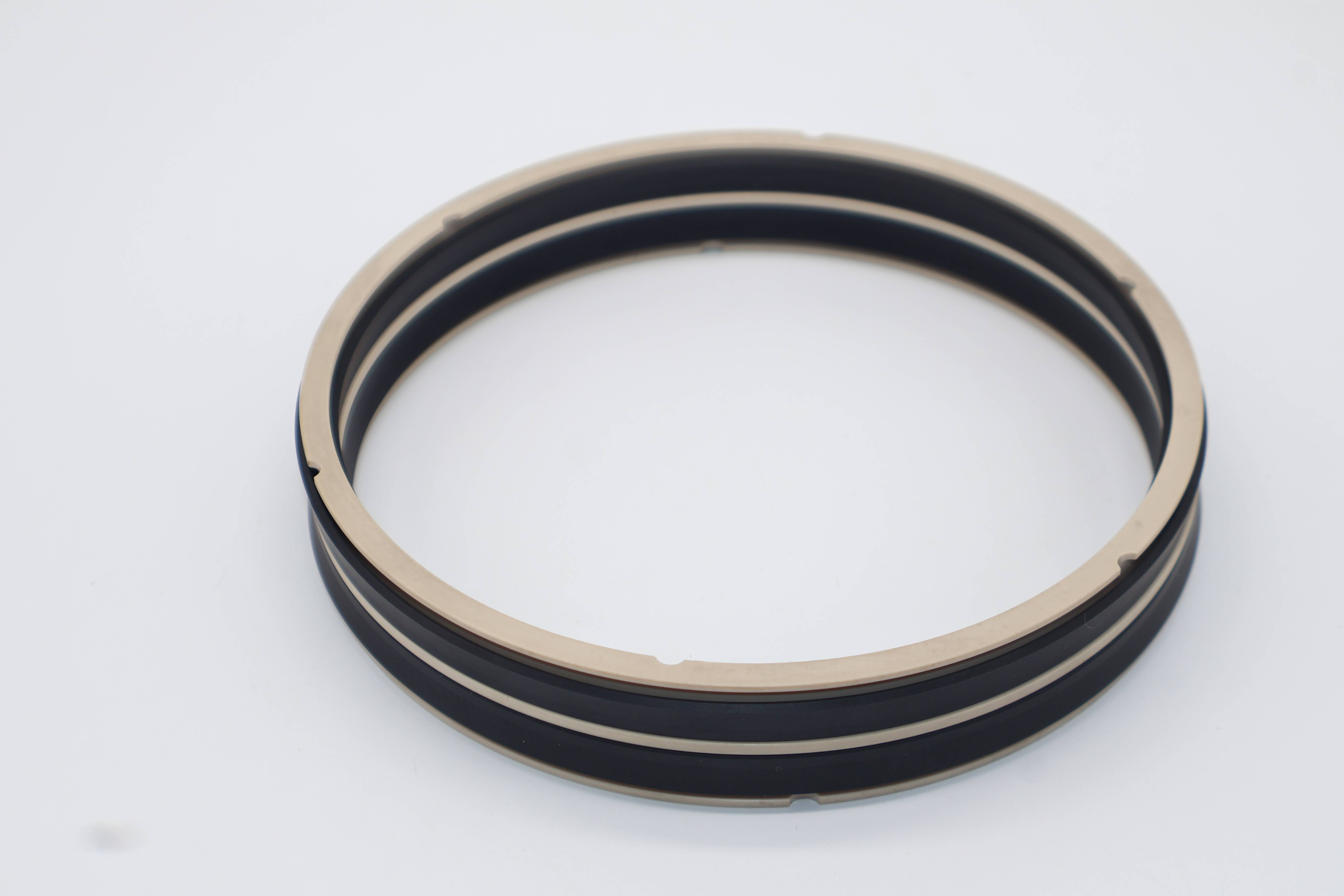
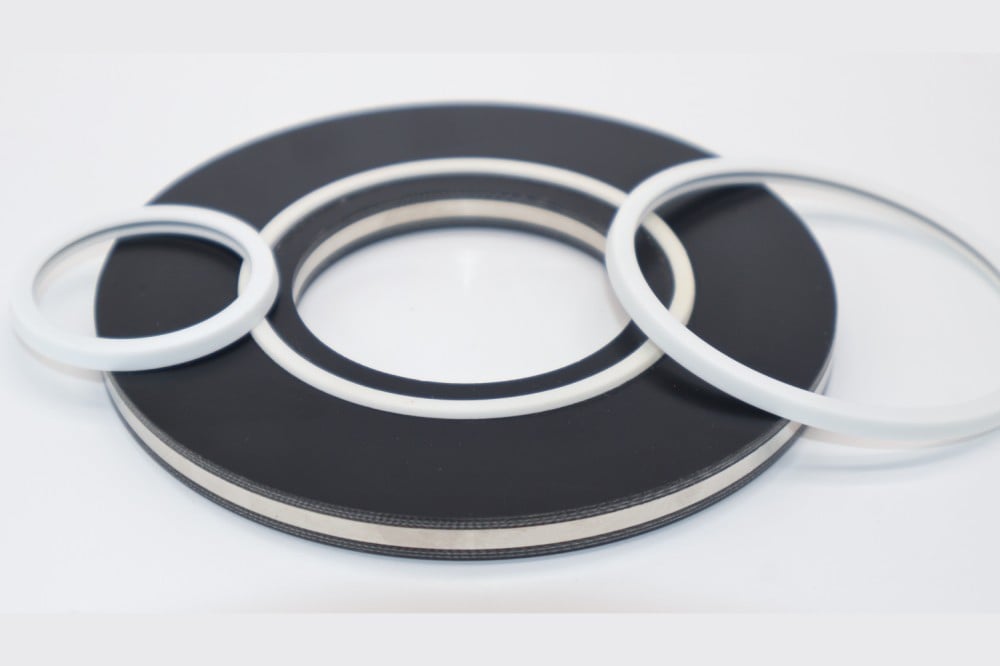
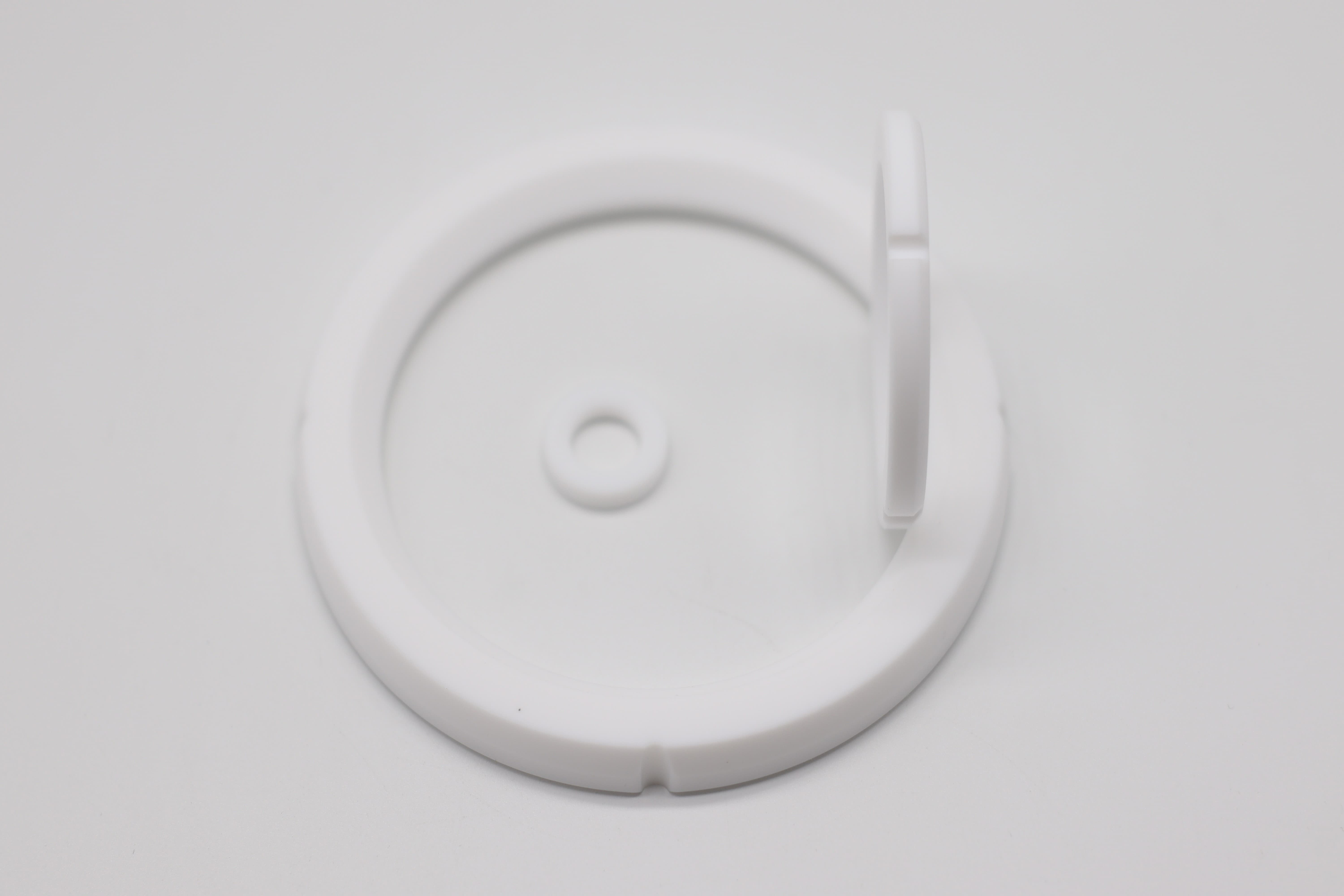
A PTFE seat is a critical component found in valves, pumps, and fluid control systems across multiple industries. This specialized sealing element is manufactured from polytetrafluoroethylene, a synthetic fluoropolymer known for its exceptional chemical resistance and low friction properties. The PTFE seat functions as a precision-engineered barrier that prevents fluid leakage while maintaining reliable performance under demanding operational conditions. The core design of a PTFE seat incorporates advanced material science to deliver consistent sealing integrity across varying pressure ranges and temperature fluctuations. Key technological features include superior corrosion resistance, compatibility with aggressive chemicals, and minimal maintenance requirements. The PTFE seat excels in pharmaceutical, chemical processing, petrochemical, and water treatment applications where reliability cannot be compromised. Its molecular structure provides inherent non-stick properties, reducing friction and wear during extended operation. The PTFE seat technology has evolved to support both standard and custom configurations, accommodating diverse system requirements. Industries choosing a PTFE seat benefit from reduced downtime and extended equipment lifespan. This sealing solution represents an investment in operational efficiency and safety compliance across mission-critical applications requiring proven performance standards.

New Product Releases

Selecting a PTFE seat delivers numerous practical benefits that directly impact your operational success and bottom line. First, the exceptional chemical compatibility means your PTFE seat resists degradation from virtually any industrial fluid, from aggressive acids to specialized solvents. This translates to longer service intervals and reduced replacement costs throughout your equipment's lifetime. Second, the self-lubricating nature of the PTFE seat minimizes friction during valve operation, significantly reducing the force required to open and close your systems. Your maintenance teams will appreciate the decreased wear on actuators and control mechanisms, leading to smoother operations and fewer emergency repairs. Third, the temperature stability of your PTFE seat allows reliable performance across wide operational ranges without compromising sealing effectiveness. Whether handling cryogenic applications or high-heat industrial processes, the PTFE seat maintains dimensional stability and sealing integrity. Fourth, implementing a PTFE seat reduces system contamination risks because the material does not shed particles or degrade into your process fluids. This proves invaluable in pharmaceutical manufacturing and food processing where purity standards are non-negotiable. Fifth, the PTFE seat offers superior leak prevention compared to traditional sealing materials, protecting both your investment and the environment. Finally, the installation flexibility of the PTFE seat means retrofitting existing equipment becomes straightforward, and new system designs benefit from proven compatibility with standard valve interfaces. Your organization gains competitive advantage through improved reliability and reduced environmental compliance concerns.

Practical Tips

Sealing Challenges in Wellhead and Christmas Tree Equipment

05

Jun

Sealing Challenges in Wellhead and Christmas Tree Equipment

Wellhead sealing is one of the most demanding engineering challenges in oil and gas production. Every wellhead assembly must maintain pressure integrity under extreme temperatures, aggressive media, and continuous mechanical stress. When wellhead sea...
View More
07

Jun

In demanding industrial environments, the integrity of mechanical systems depends heavily on the quality of sealing solutions deployed across equipment and infrastructure. Whether managing fluid containment, pressure retention, or vibration resistanc...
View More
Metal Seal Material Selection for Corrosive High Pressure Industrial Environments

01

Jun

Metal Seal Material Selection for Corrosive High Pressure Industrial Environments

Selecting the right metal seal material is one of the most consequential decisions in industrial system design. When operating conditions combine high pressure with aggressive chemical exposure, the stakes become even higher. A poorly chosen metal se...
View More
Metal Seal Performance in High Temperature Energy and Power Systems

08

Jun

Metal Seal Performance in High Temperature Energy and Power Systems

In high temperature energy and power systems, component reliability is not optional — it is the foundation of safe and continuous operation. A metal seal is one of the most critical elements in maintaining pressure integrity, preventing leakage, and ...
View More

Get a Free Quote

Our representative will contact you soon.
Email
Name
Company Name
Attachment
Please upload at least an attachment
Up to 3 files, each no larger than 30MB. Supported formats: jpg, jpeg, png, pdf, doc, docx, xls, xlsx, csv, txt, stp, step, igs, x_t, dxf, prt, sldprt, sat, rar, zip.
Message
0/1000

ptfe seat

Superior Chemical Resistance in Demanding Environments

Superior Chemical Resistance in Demanding Environments

The PTFE seat stands apart through its unmatched ability to resist chemical attack from virtually all industrial fluids and processes. Unlike conventional sealing materials that degrade when exposed to aggressive chemicals, your PTFE seat maintains structural integrity even in extreme chemical environments. This superior chemical resistance means your PTFE seat performs reliably in petrochemical refineries, pharmaceutical manufacturing facilities, and specialty chemical plants where material failure could trigger catastrophic system failures. The fluoropolymer composition of the PTFE seat provides atomic-level resistance to molecular degradation, ensuring consistent performance year after year. Your maintenance teams experience dramatically reduced seal failures and emergency shutdowns because the PTFE seat simply does not break down under chemical stress. This reliability translates directly to increased production uptime and substantially lower operational costs. Organizations utilizing a PTFE seat in aggressive applications report extended equipment lifespans and improved safety outcomes. The chemical resistance of the PTFE seat has been validated across thousands of industrial applications globally.
Self-Lubricating Performance Reduces Mechanical Wear

Self-Lubricating Performance Reduces Mechanical Wear

Your PTFE seat incorporates inherent self-lubricating properties that fundamentally change how your valve systems operate and wear over time. Unlike standard sealing materials that require external lubricants and additional maintenance, the PTFE seat's molecular structure provides natural lubrication at contact surfaces. This self-lubricating characteristic of the PTFE seat dramatically reduces friction between sealing surfaces and mating components, requiring significantly less operating force to achieve reliable valve actuation. Your facility benefits from reduced strain on valve actuators, extended actuator lifespan, and improved operational efficiency across all fluid control systems utilizing the PTFE seat. The decreased mechanical wear associated with the PTFE seat minimizes particle generation within your systems, protecting downstream equipment and maintaining fluid purity. Installation teams appreciate the straightforward setup process, and operational personnel notice immediate improvements in system responsiveness. The self-lubricating nature of the PTFE seat proves especially valuable in systems requiring frequent cycling or rapid response times where friction-related wear represents a major operational concern.
Temperature Stability Across Extreme Operating Ranges

Temperature Stability Across Extreme Operating Ranges

The PTFE seat demonstrates exceptional thermal stability that allows reliable performance across extraordinarily wide temperature ranges that would challenge conventional sealing materials. Your PTFE seat maintains consistent sealing effectiveness from cryogenic temperatures well below minus 200 degrees Celsius to sustained operation at elevated temperatures above 200 degrees Celsius. This remarkable temperature stability of the PTFE seat eliminates the need for separate sealing solutions for different thermal applications, simplifying inventory management and system design. The molecular structure of your PTFE seat resists thermal degradation and maintains dimensional stability without relying on additional protective coatings or composite constructions. Industries utilizing the PTFE seat in liquefied gas applications, cryogenic storage systems, and high-temperature chemical processing benefit from single-solution reliability across extreme conditions. The thermal performance of the PTFE seat reduces design complexity by enabling equipment manufacturers to specify one proven sealing component for multiple operational scenarios. Your facility gains operational flexibility through the PTFE seat's ability to perform consistently regardless of process temperature variations or seasonal environmental changes.

Get a Free Quote

Our representative will contact you soon.
Email
Name
Company Name
Attachment
Please upload at least an attachment
Up to 3 files, each no larger than 30MB. Supported formats: jpg, jpeg, png, pdf, doc, docx, xls, xlsx, csv, txt, stp, step, igs, x_t, dxf, prt, sldprt, sat, rar, zip.
Message
0/1000